Key Takeaways
- You can start affiliate marketing without a website by using platforms that already have traffic, like Pinterest, YouTube Shorts, Instagram, Facebook Groups, Quora, Reddit, Medium, and email.
- The fastest beginner path is to pick one platform, one niche, and one affiliate offer, then post consistently.
- Pinterest, short videos, question sites, and email each work best with different content styles, so match the offer to the channel.
- Trust matters more than link volume, so lead with helpful content and add affiliate links only when they fit naturally.
- Track clicks, saves, replies, and signups, because those signals show which posts are worth repeating.
You don’t need a website, fancy tools, or a big budget to start affiliate marketing. With affiliate marketing without a website, you can use free platforms like Pinterest, YouTube Shorts, Instagram, Facebook Groups, Quora, Reddit, Medium, and email newsletters to send traffic and earn your first commissions.
A lot of beginners start with free or low-cost methods, then build from there. The key is consistency, because results usually take time, even when your content is good.
If you’re ready to start small and move fast, the seven ideas below give you a practical way in.
“This post may contain affiliate links. Read our disclosure for more info.”
What affiliate marketing looks like when you do not have a site
When you start with affiliate marketing without a website, your job stays simple: you help people find a product, service, or tool they may want. You do that through content on platforms that already have traffic, then you earn a commission when someone takes the action linked to your recommendation.
That means you are not waiting around to build a blog first. You are using places where people already spend time, such as Pinterest, YouTube Shorts, Instagram, Facebook Groups, Quora, Reddit, Medium, or email. Your content does the selling, and the platform helps you get seen.
How affiliate commissions work in plain English
Affiliate marketing works like a referral reward. You share a special link from a company, and that link tells the company that the sale or signup came from you.
The path is simple:
- You recommend a product or service.
- Someone clicks your affiliate link.
- They buy, sign up, or complete another action.
- The company tracks that action.
- You get paid a commission.
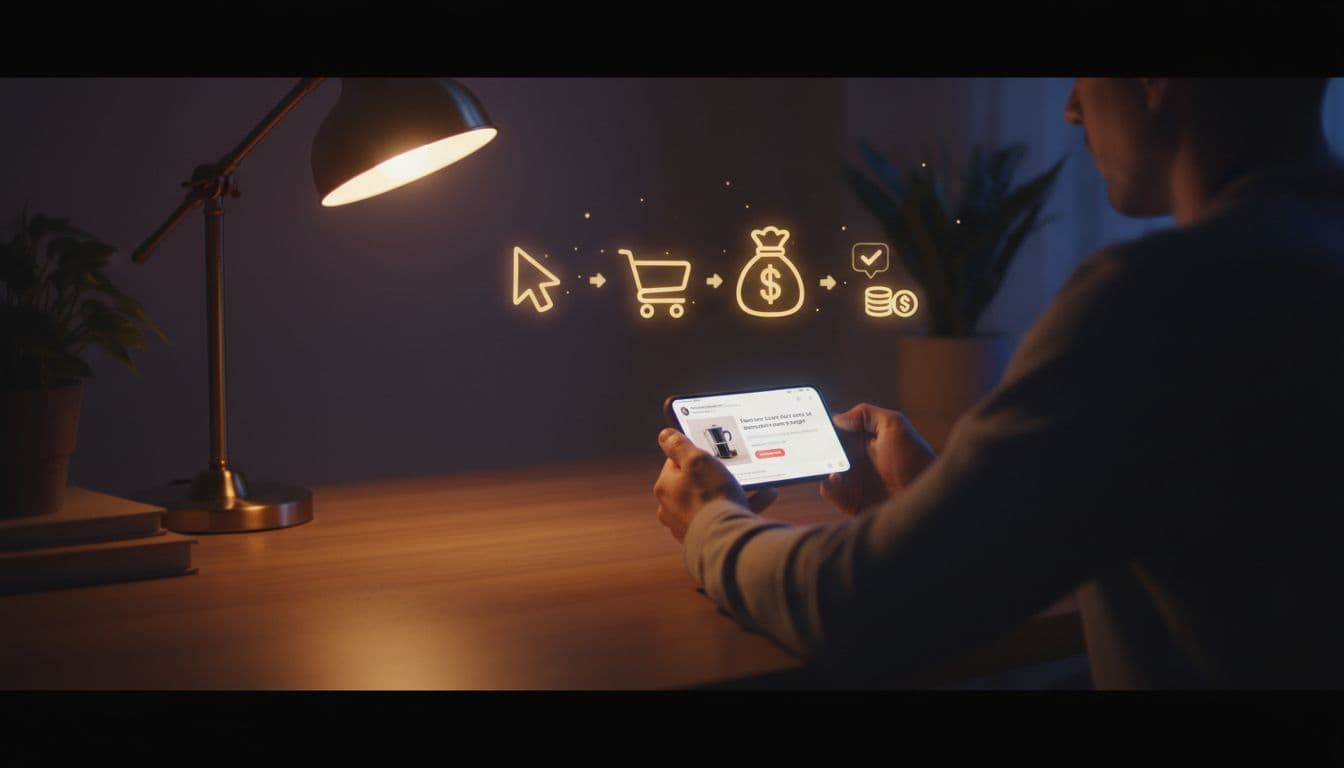
The link is the key piece. It works like a name tag, so the company knows the lead came from you. If the person buys later, the tracking system still tries to match that click to your account for a set time.
You are not paid for posting a link alone. You are paid when your recommendation leads to a tracked action.
That action is not always a sale. Some programs pay when someone signs up for a free trial, submits an email, or books a demo. Because of that, you can pick offers that fit your audience better, even if they are not buying right away.
Why free traffic matters more than having a website at the start
A website can help later, but it should not stop you from starting now. When you use free traffic platforms, you learn faster because you get instant feedback. You see which posts get clicks, which topics get attention, and which offers people ignore.
That matters because beginner affiliate marketing is about testing, not guessing. A website needs setup, design, hosting, and content. Free platforms let you skip that delay and focus on the part that makes money: getting your message in front of the right people.
For example, you can start with:
- Pinterest, if you want search-based traffic and visual ideas.
- YouTube Shorts, if you can explain products in quick videos.
- Instagram, if your niche works well with reels, stories, or posts.
- Facebook Groups, if your audience likes community and discussion.
- Quora or Reddit, if you can answer questions in a helpful way.
- Medium, if you like writing and want a simple publishing setup.
- Email, if you want a small audience you can reach directly.
These platforms already have users. That gives you a head start that a new website usually does not have. You can test content, build trust, and promote offers without spending much money.
A website still has value later. It gives you more control, more room to grow, and a home for your content. Still, it is not required on day one. If you want to know how to start affiliate marketing with no money, begin where the traffic already is, then build your own site when your strategy is working.
The smartest move is to treat the platform as your starting point and your content as the bridge. Once that bridge starts sending clicks, you can add a website for longer-term growth.
Use Pinterest to share helpful product ideas and get clicks
Pinterest works well for affiliate marketing without a website because people go there to look for ideas, fixes, and product inspiration. That makes it easier to reach someone who already wants help, not someone you have to interrupt.
Your job is simple. You create a pin that solves a small problem, points to a useful product, and gives people a reason to click. If you stay clear and helpful, Pinterest can send traffic even when your account is new.
How to create pins that bring traffic even with a small account
You do not need advanced design skills to get started. Clean pins usually work better than busy ones, because people scroll fast and stop when the message is easy to understand.

Start with one topic your audience already cares about. For example, you can focus on budget gadgets, home organization, student tools, or beauty products. Then build each pin around one clear idea, not a long list of mixed offers.
A simple workflow keeps things moving:
- Pick one helpful topic and one product idea.
- Write a short title that matches what people search for.
- Design a clean vertical pin with one image and one message.
- Add a description that explains the benefit and invites a click.
- Link to the affiliate offer or to a page that supports the offer, if your program allows it.
The best pins feel useful, not pushy. For example, a pin titled “3 Budget Desk Tools That Save Time” gives the reader a reason to click because it promises value. A vague title like “My Favorite Products” usually gets ignored.
Keep the design simple. Use one strong image, one readable headline, and a clear color contrast. You can use product photos, lifestyle shots, or a mockup that shows the item in use. A pin should work like a storefront sign, quick to read and easy to trust.
Also, use wording that matches buyer intent. Phrases like best, top, budget, for beginners, and under $50 often pull in clicks because they match what people search for when they want to compare options.
Small accounts can still win on Pinterest when the pin is clear and the topic is useful.
You also get a better shot at clicks when you repeat the same product in different ways. One pin can highlight price, another can show a benefit, and another can focus on a problem it solves. That gives Pinterest more options to test without making your account look repetitive.
The easiest tools to use for Pinterest on a budget
You can keep your setup simple and low-cost. A few free tools are enough to create pins, check what works, and improve as you go.

Canva is the easiest place to design pins. It gives you ready-made templates, easy text editing, and drag-and-drop design tools, so you can make pins fast without learning complex software. You can start with a free account and build pins in a few minutes.
Pinterest Analytics helps you see what gets attention. You can check impressions, saves, and outbound clicks, then spot which topics are worth repeating. That matters because you do not want to guess forever, you want to make more of what people already click.
A few other budget-friendly helpers can make your work smoother:
- Pinterest search suggestions help you find words people actually type.
- A phone camera works fine for original product photos or lifestyle shots.
- Google Sheets helps you track pin titles, links, and results.
- CapCut can help if you later add video pins, but you can skip it at first.
Keep your setup light. If you spend too much time choosing tools, you slow down your progress. Start with Canva for design and Pinterest Analytics for feedback, then improve one step at a time.
The real advantage is speed. When your tools are simple, you can publish more often, test more ideas, and learn which product pins bring clicks.
Turn short videos into affiliate traffic on YouTube Shorts, TikTok, and Instagram Reels
Short videos make affiliate marketing easier because they remove a lot of friction. You don’t need a polished studio, a big audience, or long scripts. You need one clear idea, one useful product, and one reason to click.
That works especially well on YouTube Shorts, TikTok, and Instagram Reels because people already expect quick, helpful content. If your video solves a small problem fast, you can earn trust in seconds and send traffic where it matters.
What kinds of short videos convert best for beginners
The easiest videos to start with are the ones that feel useful right away. That is why top 3 tools, before and after clips, budget product picks, and quick how-to videos work so well for beginner affiliate marketing without a website.
These formats are easy to watch because they have a clear payoff. A viewer sees the point almost instantly, so they stay longer and are more likely to trust your recommendation.
A few strong examples include:
- Top 3 tools: Show three apps, gadgets, or services that save time or money. This format feels simple and organized.
- Before and after results: Show a problem, then show the fix. People trust what they can see with their own eyes.
- Budget product picks: Highlight affordable items under a set price, like $10 or $25. This helps buyers feel safe.
- Quick how-to videos: Teach one small task, like setting up a tool or using a feature. Helpful content lowers resistance.
If you want clicks, keep the promise tight. A video titled “3 Free Apps That Make Studying Easier” is clear. A video that tries to cover ten ideas at once usually loses attention.
Simple videos convert better when they help people make a fast decision.
That is the real advantage. You are not trying to impress people with production value. You are helping them see, fast, why a product is worth their time.
How to keep your videos simple, useful, and easy to make
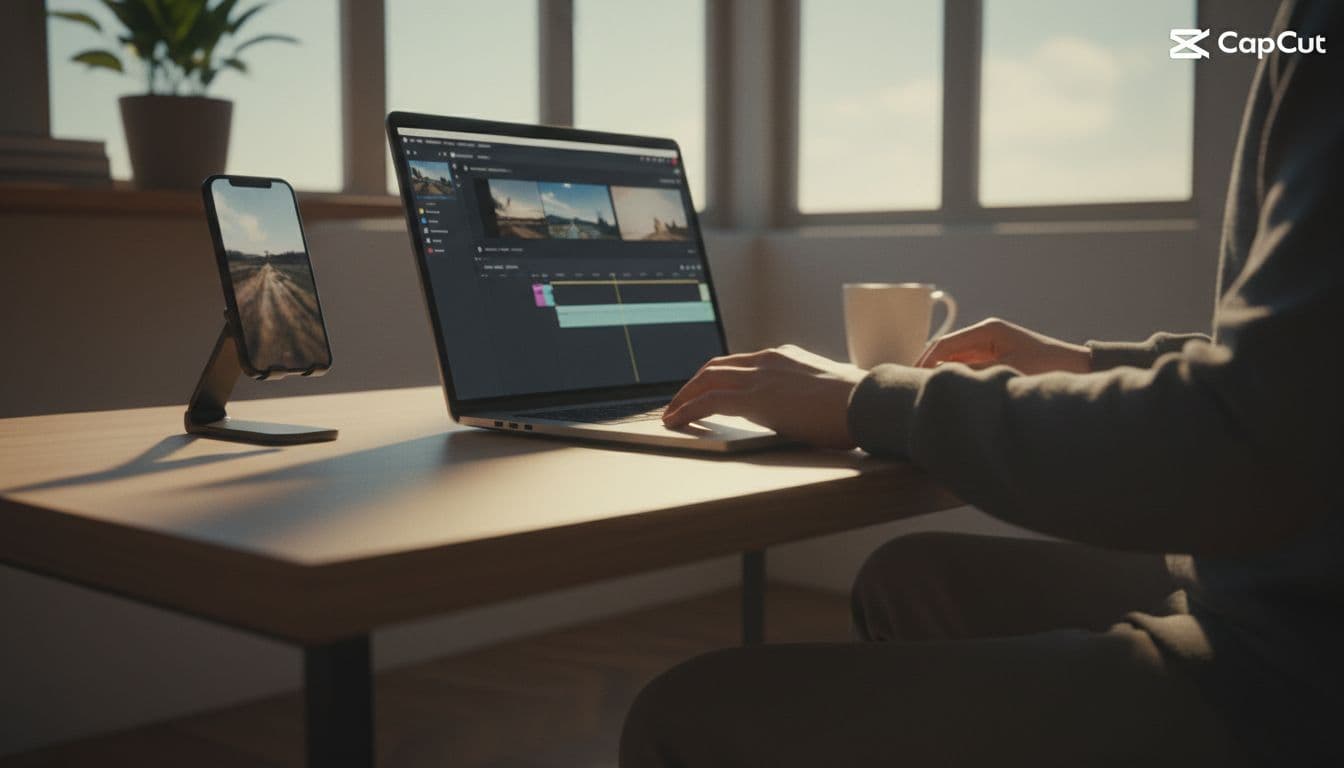
You do not need a complex setup to make content that gets clicks. A phone, a quiet space, and a few free tools are enough to start. That is why CapCut and Canva are so useful for beginner affiliate marketing.
Use your phone camera first. Natural light from a window is often enough, and a cheap tripod helps keep your video steady. If you do not want to show your face, screen recordings, product close-ups, and simple voiceovers also work well.
Keep the editing light. Add captions, trim out pauses, and make the first few seconds count. Short-form videos should feel like a quick answer, not a long presentation.
A simple process keeps things moving:
- Pick one product or one small problem.
- Record a short clip on your phone.
- Edit it in CapCut or Canva.
- Add captions so people can follow without sound.
- Post it with a clear call to action, like a link in bio or pinned comment.
Short is better here. Fifteen to thirty seconds is often enough, especially when your point is clear. The more your video feels like a shortcut, the easier it is to watch, trust, and share.
You can also reuse one idea across platforms. Post the same clip on YouTube Shorts, TikTok, and Instagram Reels, then change the caption and hook slightly. That saves time and gives your content more chances to be seen.
If you want your short videos to bring affiliate traffic, focus on clarity before polish. A clean message, a useful recommendation, and a simple edit can do more than fancy effects ever will.
Use Medium, Quora, Reddit, and Facebook Groups to answer real questions
These platforms work because people arrive with a problem already in mind. That gives you a direct path to help first, then earn trust, then earn clicks later.
The key is to match your content to the way each platform works. Medium is better for fuller guides. Quora and Reddit reward clear answers. Facebook Groups reward helpful participation inside a real community. If you treat each space like a conversation, affiliate marketing without a website feels much more natural.
You get better results when your content sounds like help, not a pitch.
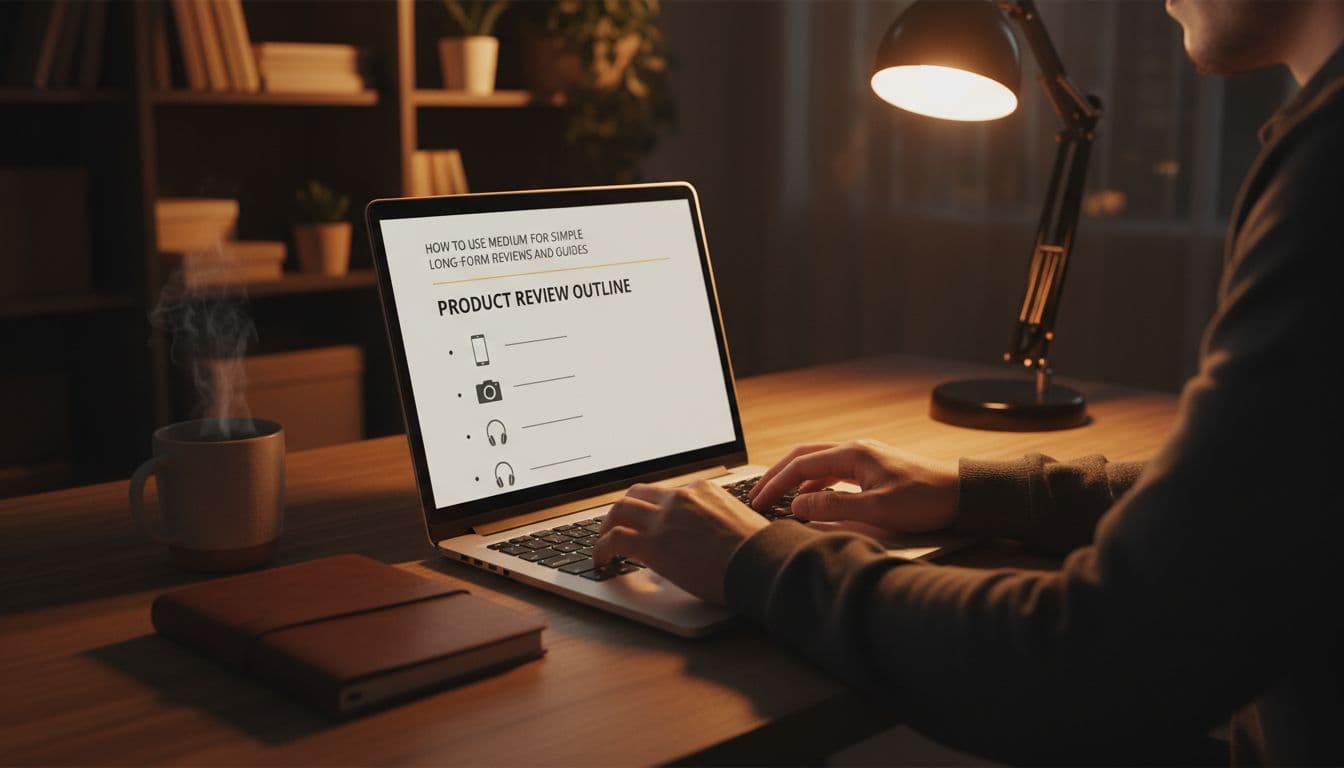
How to use Medium for simple long-form reviews and guides
Medium lets you publish articles without hosting, setup costs, or technical work. That makes it a strong choice when you want to write longer product reviews, beginner guides, or tutorials that explain one topic well.
You can write about a tool you actually use, then structure the post around the reader’s problem. For example, a guide like “Best free apps for students who need better focus” feels useful and easy to trust. A short paragraph, a few clear subheads, and one natural affiliate link often work better than a flashy sales angle.
Medium is a good fit when you want to explain:
- How a product works in plain language.
- Who it is for, so the wrong readers can skip it.
- What problem it solves, because that is what drives clicks.
- Where to get it, if the affiliate link adds real value.
Keep the tone helpful and specific. If you say why you like the tool, what you used it for, and what kind of reader should try it, your post feels real. That matters more than polished design.
How to answer questions on Quora and Reddit without sounding salesy
Quora and Reddit reward direct answers. People on these platforms want useful detail, not a pitch, so trust comes first. If you answer clearly and honestly, you give yourself a better shot at clicks later.
Start with the question itself. Give a clean answer, share one or two real tips, then add a link only if it truly helps solve the problem. If the link feels forced, leave it out.

A strong answer usually looks like this:
- You state the main answer in the first sentence.
- You explain it in simple terms.
- You share a quick example or personal insight.
- You add a link only when it improves the answer.
On Reddit, keep the tone even more careful. Many communities dislike obvious promotion, so read the rules before you post. In some cases, a thoughtful comment with no link performs better than a post that tries too hard to sell.
Quora works a little differently. It often rewards longer answers that explain a topic well, so you can write a more complete response and place the affiliate link near the end. Still, the rule stays the same, help first, promote second.
How to build trust inside Facebook Groups before you share links
Facebook Groups can bring strong results when you join the right niche communities and stay active. The people in those groups often ask buying questions, share wins, and look for recommendations from others who seem genuine.
That gives you room to build trust before you ever post a link. Comment on other posts, answer questions, and share useful tips without pushing anything. Once people see you as helpful, they are more open to your suggestions.
Use a simple approach:
- Join groups tied to your niche, such as fitness, AI tools, gaming, or online earning.
- Watch what people ask before you post.
- Reply with practical advice that helps without expecting anything back.
- Share links only when the group allows it and the timing makes sense.
Do not post promo links too early. That usually hurts trust faster than it helps clicks. Instead, become the person who solves small problems in the comments. When people start recognizing your name, a future recommendation feels much more natural.
These platforms are powerful because they already contain demand. You are not creating the need, you are answering it. That is why affiliate marketing without a website can work so well when your content feels human, direct, and genuinely useful.
Grow a Small Email List with Free Tools and Recommend Offers Over Time
Email is one of the easiest ways to keep your affiliate marketing moving without a website. You can start with a free plan, collect a small list, and send helpful messages that build trust before you ever ask for a click. Tools like Brevo, MailerLite, Sender, and EmailOctopus give you enough room to begin without paying upfront.
The goal is simple. You are not trying to blast promotions every day. You are building a list that expects useful tips, smart picks, and honest recommendations over time.
A small list that trusts you is better than a big list that ignores you.
What to send in your first few emails
Your first emails should feel easy to read and useful right away. If you make them sound like ads, people will tune out fast. If you keep them short, practical, and friendly, you give readers a reason to stay.

A simple starter sequence can include:
- A quick welcome that tells people what they will get from you.
- One useful tip tied to your niche, such as saving time, finding better tools, or avoiding a common mistake.
- A short product pick with one clear reason it helps.
- A personal story that shows why you use or recommend something.
- One useful link per email, so the message stays focused.
For example, if you are in the productivity niche, your first email might share one time-saving app and explain how you use it. Your next email could offer a second tool with a different use case. That keeps the tone beginner-friendly and avoids sounding pushy.
A good rule is to teach first and recommend second. The recommendation should fit the tip, not sit on top of it like a sales sticker.
Why email can become one of your best long-term traffic sources
Social platforms can help you get started, but they can also change without warning. One algorithm shift, and your reach can drop overnight. Your email list works differently because the contact list is yours, and you can reach people directly.
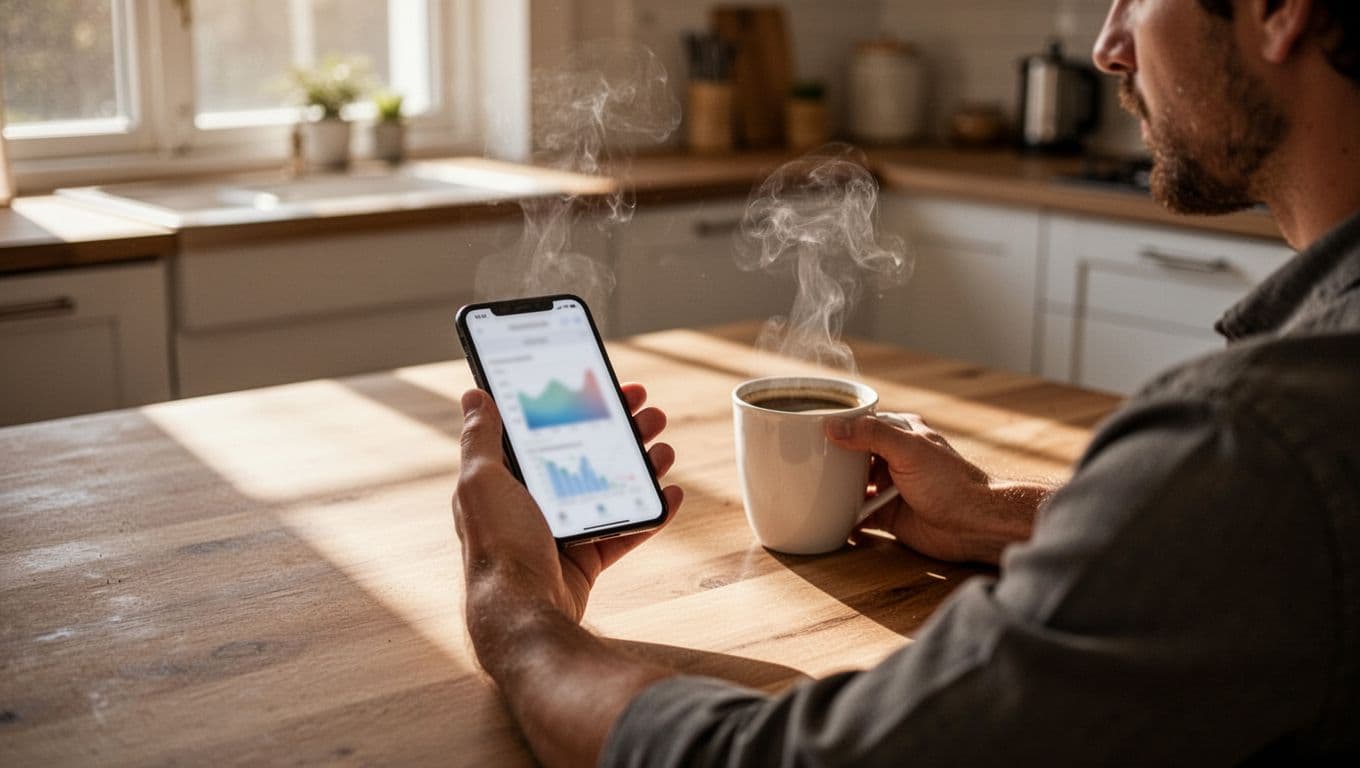
That matters because email gives you control. You can send a new offer, revisit an old recommendation, or share a useful update without waiting for a platform to push it. In other words, you are not renting attention the way you do on social media.
Email also helps you warm people up over time. A reader may ignore your first message, then click your third or fourth because you have already helped them before. That is why email affiliate marketing for beginners works well, even with a small list.
Use email as your steady channel. Social posts can bring the first click, but email can bring the next five.
Choose the right beginner affiliate programs before you post anything
Before you publish a pin, a video, or a post, choose the program first. The offer has to fit the platform and the kind of person you want to reach. If you pair the wrong product with the wrong traffic source, even good content can fall flat.
The best beginner affiliate programs are easy to join, simple to explain, and relevant to your audience. That makes your content feel natural, which is what gets clicks in affiliate marketing without a website.
Which affiliate programs fit each traffic source best
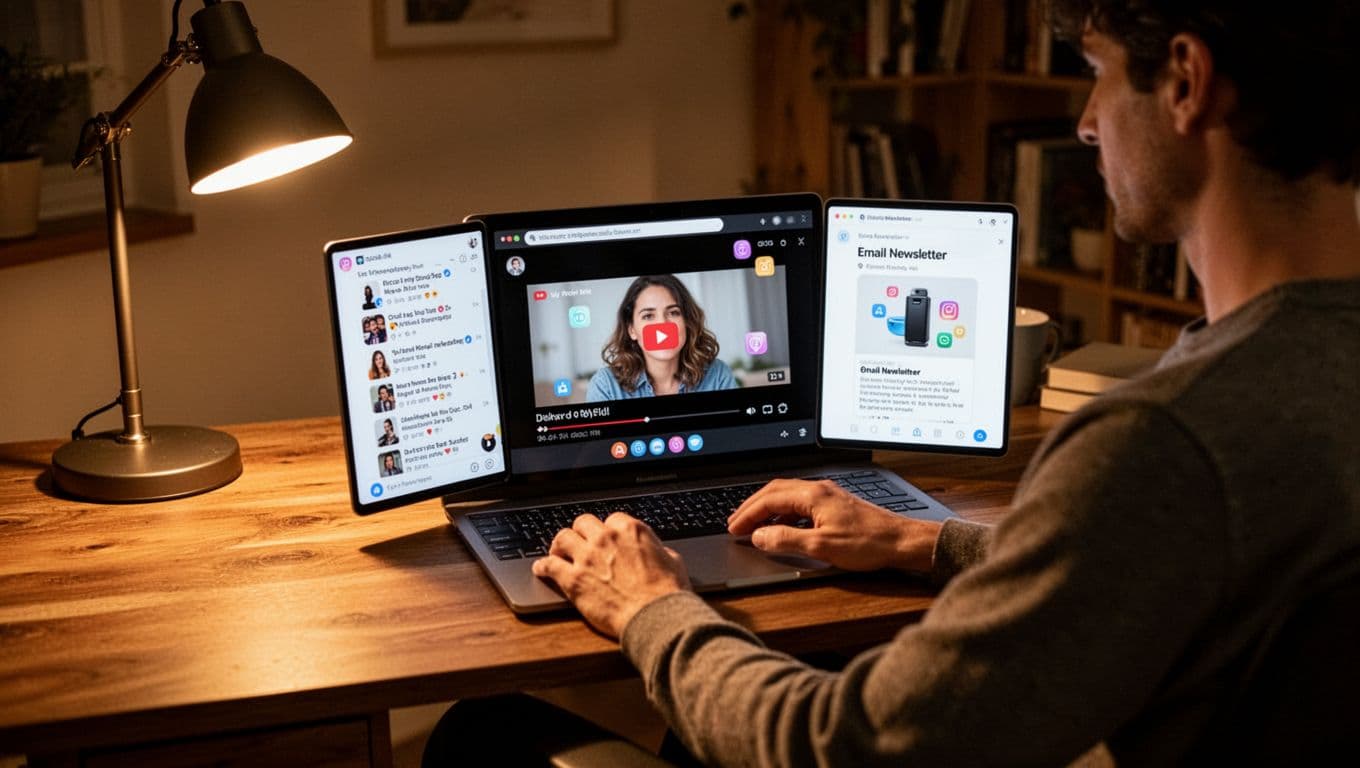
Different platforms attract different buyer moods. On Pinterest, people often want ideas and product picks. On YouTube Shorts or TikTok, they want a quick demo. In email, they are usually warmer and more ready to buy. So match the offer to the channel instead of using the same link everywhere.
Here is a simple way to think about it:
| Traffic source | Best program type | Why it fits |
|---|---|---|
| Amazon Associates, home, beauty, or product-based offers | Visual pins work well for physical products and quick comparisons | |
| YouTube Shorts or TikTok | ClickBank, Digistore24, Amazon | Short videos do well with simple demos, problem-solving tips, and product reviews |
| Email newsletters | Software programs, PartnerStack, Impact | Email works best for tools, tutorials, and recurring solutions |
| Medium, Quora, Reddit | ClickBank, software offers, Amazon | These platforms reward detailed answers and helpful explanations |
| Instagram Reels | Amazon, ClickBank, lifestyle or creator tools | Fast, visual content fits products people can understand quickly |
Amazon Associates is a strong starting point for product content. It works well when you want to show gadgets, household items, books, or low-ticket products people already know. ClickBank fits digital offers, courses, and simple problem-solving products. Software programs are a smart choice for tutorials and email content because readers often want tools that save time or help them earn.
If you are unsure, start with one offer type per platform. That keeps your content clear and helps you learn what actually gets clicks.
The easier it is for your reader to understand the offer, the easier it is for you to earn the click.
What to check before joining a program
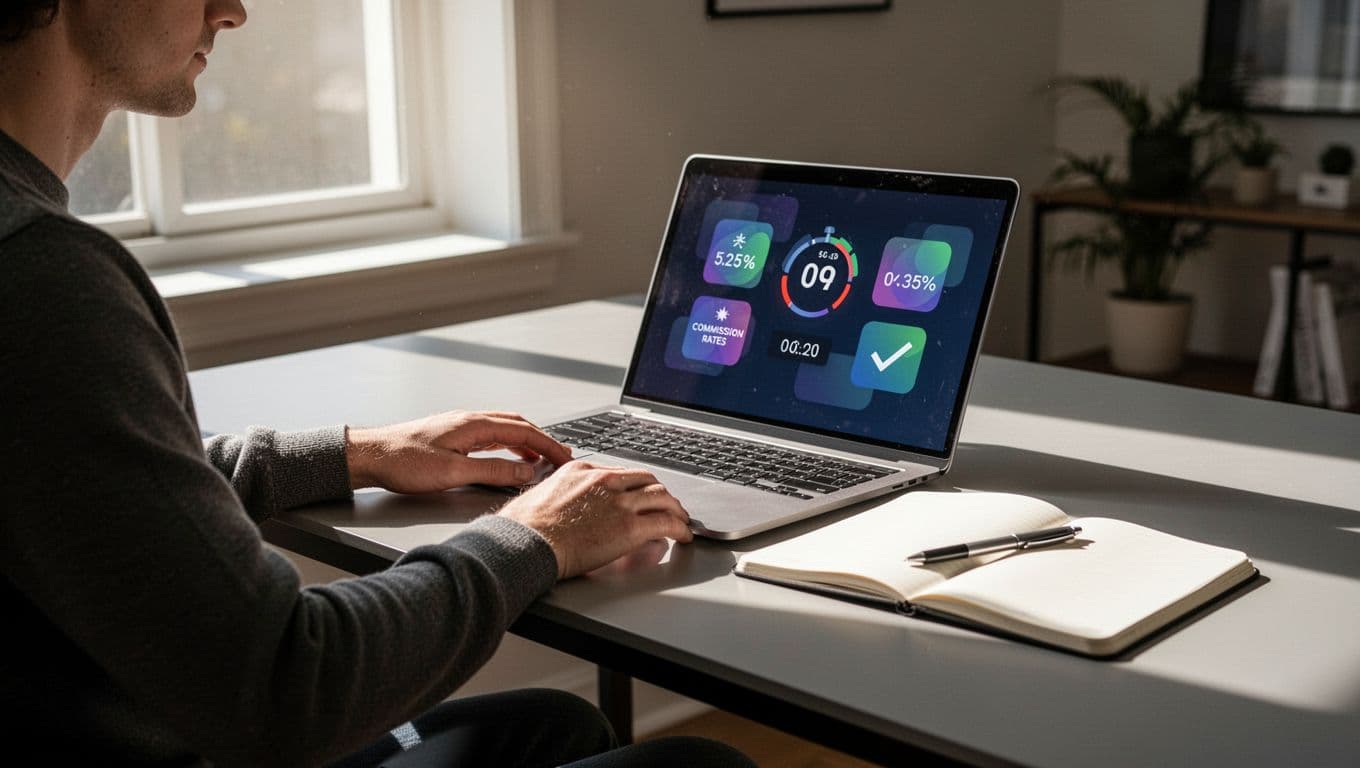
A program can look good on paper and still be a bad fit for you. Before you join, check the basics so you do not waste time promoting an offer that pays slowly or blocks your niche.
Focus on these points:
- Commission rate: Higher is better, but only if the product converts. A lower commission on a popular offer can beat a big commission on something nobody wants.
- Payout threshold: If the minimum payout is too high, you may wait a long time to get paid. Beginners usually do better with lower thresholds.
- Cookie length: A longer cookie gives you more time to earn credit after the first click. That matters when people do not buy right away.
- Approval rules: Some programs approve you fast, while others want traffic proof or social proof. Check the rules before you apply.
- Niche match: The offer should fit the topic you already post about. If your content is about student tools, do not push random fitness products.
A quick self-check helps before you commit. Ask yourself whether the offer matches your audience, whether you can explain it in one sentence, and whether people on your platform would actually care. If the answer is yes, you have a stronger chance of making those first sales.
The best beginner move is simple. Pick one platform, one audience, and one offer type that fit together well. That gives your content a clean path, and it makes every post easier to create.
Avoid the mistakes that slow beginners down
When you start affiliate marketing without a website, small mistakes can waste your time fast. Most beginners do not fail because the model is broken. They fail because they post too soon, spread themselves too thin, or sound like a billboard instead of a person.
The good news is that these errors are easy to fix once you spot them. If you keep your content focused, helpful, and honest, you give yourself a much better shot at real clicks and real trust.
Why spamming links usually hurts more than it helps
If you drop affiliate links everywhere, people stop trusting you. Worse, platforms notice that behavior and may limit your reach, hide your posts, or ban your account. One direct link blast can do more damage than a week of good content can repair.
Spamming also makes you look desperate. When every comment, caption, or message pushes a product, your audience feels the pitch before they feel the value. That is a fast way to get ignored, especially in social media affiliate marketing where trust matters more than volume.

A better approach is simple. Share useful content first, then place your link where it fits naturally.
- Answer a question before you recommend a product.
- Show a result or tip before you ask for a click.
- Use one clear link, not a pile of them.
- Match the offer to the topic so it feels relevant.
If your post reads like an ad, most people will scroll past it.
That rule matters even more on platforms with strict spam filters. A steady pace of helpful posts usually performs better than a flood of weak ones.
How to stay focused when you are starting from zero
When you are new, trying everything at once slows you down. You do better when you pick one platform, one niche, and one offer. That gives you a clean path and helps you learn faster.
Start with the platform you can use consistently. If Pinterest feels easiest, use Pinterest. If short videos are more natural for you, choose YouTube Shorts or Instagram Reels. Do not split your energy across five channels before you know what works.

Then narrow your niche. Pick one topic you can talk about without forcing it. That might be budget gadgets, student tools, beauty products, fitness gear, or simple AI tools. The narrower your start, the easier it is to become useful.
A simple starter plan works well:
- Choose one platform and learn how it behaves.
- Pick one niche and stay with it for a few weeks.
- Promote one offer that fits the audience.
- Make a few pieces of content around the same topic.
- Review what gets clicks, then adjust.
Simple focus beats scattered effort every time. You do not need to be everywhere. You need to be clear, consistent, and useful on one channel first.
Start with one platform, post consistently, and track what works
When you start with affiliate marketing without a website, your biggest advantage is focus. You do not need to be everywhere at once. You need one platform, one clear offer style, and a simple routine you can repeat without burning out.
That approach helps you build momentum faster. It also makes it easier to see what people actually respond to, instead of guessing across five channels at once.
Start small, stay steady, and treat every post like a test. You are building a system, not chasing random likes.
A simple 30-day starter plan for affiliate marketing without a website
A good first month gives you structure without making things complicated. You want enough repetition to learn, but not so much that you freeze up. Pick one platform you can use daily, then build around it.
Here is a beginner-friendly flow that keeps you moving:
Week 1, choose your niche and offerPick one topic you can talk about easily, such as budget tech, fitness gear, student tools, or beauty products. Then join one or two affiliate programs that fit that niche. Keep it simple, because a narrow start is easier to manage.
Week 2, post your first contentPublish a few posts or videos around one problem and one product. If you are using Pinterest, make pins. If you are on Shorts or Reels, make short videos. If you are writing on Medium or Quora, answer one clear question at a time.
Week 3, test different anglesTry new hooks, new titles, or a different product angle. One post can focus on price, another on convenience, and another on the problem it solves. This gives you quick feedback without needing more tools or a bigger budget.
Week 4, improve what workedLook back at your best posts and repeat the patterns. Post more of the topics that got attention, and trim the ones that got ignored. That is how you turn a scattered start into a repeatable process.

Your first month is for learning, not for perfection. Consistency gives you better data than guesswork ever will.
If you want a simple rule, use this one: post, review, adjust, repeat. That rhythm keeps your work focused and gives your content a chance to build.
How to measure progress without getting overwhelmed
You do not need a huge dashboard to know whether your content is working. At the start, money is only one piece of the picture. Pay attention to the smaller signals first, because they tell you if people are paying attention at all.
Start with four basic metrics:
- Clicks show whether people care enough to leave the post.
- Saves show that your content felt useful enough to keep.
- Replies or comments show that people want to talk back.
- Signups or lead captures show that your content moved someone closer to buying.
These numbers are easy to track on most platforms. Pinterest, YouTube, Instagram, and email tools all give you some form of analytics. Your affiliate dashboard tells you when clicks turn into sales or trials.
A simple weekly check works well. Look at your top posts, then ask three questions:
- Which post got the most clicks?
- Which one got the most saves or replies?
- Which topic brought the best signups or sales?
That is enough data for a beginner. You do not need to study every number on the screen. You need to spot patterns and repeat them.
If one pin gets saved often but barely gets clicks, the topic is strong but the call to action needs work. If a short video gets clicks but no signups, the offer may not match the viewer’s intent. Those clues help you improve faster than raw revenue alone.
Keep your tracking simple in the beginning. Write the post date, platform, topic, clicks, and result in a note or spreadsheet. That small habit makes it much easier to see what deserves your next round of effort.
Conclusion
You do not need a website to begin. You need one platform, one good offer, and the discipline to keep showing up with helpful content. That is the real path behind affiliate marketing without a website.
Free and low-cost platforms can help you earn your first commissions, but consistency matters more than tools. When you focus on clear posts, honest recommendations, and one niche at a time, you give yourself a real chance to grow.
Choose one platform today, join one affiliate program, and start posting. If you want more beginner tips, read another guide on Markaper or join the newsletter so you can keep building with simple steps that actually work.
Read Also: Make Your First $100 Online With Affiliate Marketing
Frequently Asked Questions About Affiliate Marketing Without a Website
Can you do affiliate marketing without a website?
You can start without one by using platforms that already have traffic, such as Pinterest, YouTube Shorts, Instagram, Quora, Reddit, Medium, and email. The article already shows how each channel can send clicks to an affiliate offer. A website helps later, but it is not required to start earning.
Which platform is best for beginners?
Pinterest is one of the easiest starting points for visual niches because people already search there for ideas and product picks. YouTube Shorts and Instagram Reels also work well if you can explain a product quickly on camera. The best platform is the one you can post on consistently.
How do you promote affiliate links without sounding spammy?
Lead with a helpful answer, then add the link only when it fits the advice. Quora, Reddit, and Facebook Groups work best when you solve the problem first and promote second. The article already warns against link spamming, which is the right call.
What affiliate programs work best without a website?
Amazon Associates fits product-based content, ClickBank works well for digital offers, and software programs often fit email and tutorial content. The best program depends on the platform and the buying intent of your audience. Before joining, check the commission rate, payout threshold, cookie length, approval rules, and niche match.
Affiliate Disclosure (FTC Compliant)
In accordance with the Federal Trade Commission’s guidelines, please assume that some of the links on this website are affiliate links. This means that I may earn a commission if you click on a link and make a purchase, at no additional cost to you.
As an affiliate, I only promote products and services that I have either used personally or thoroughly researched and believe will add value to my readers. Any compensation received does not influence the content, topics, or recommendations made on this website.
I am a participant in various affiliate advertising programs, including but not limited to programs designed to provide a means for websites to earn advertising fees by advertising and linking to products or services.
Please understand that your decision to purchase any product or service is entirely your own responsibility, and you should conduct your own due diligence before making any financial decisions.
If you have any questions regarding this disclosure, feel free to contact me.
Thank you for supporting this website.
This Post is Last Updated On July 12, 2026
About The Author
