How to Start Affiliate Marketing With Zero Investment in 2026
Key Takeaways
- Starting affiliate marketing with zero investment in 2026 means using free platforms, free tools, and your time instead of paid ads or a paid website.
- Beginners usually do best by choosing one niche, one main platform, and a small set of trusted affiliate offers that match beginner needs.
- Helpful content drives affiliate results better than dropping links, because trust and clear education improve clicks and conversions.
- Free traffic takes time, so early success comes from consistent publishing, realistic expectations, and improving the topics that earn attention.
- In finance and crypto, responsible promotion matters more, so avoid hype, disclose affiliate links, and explain risks clearly.
👉 “This post may contain affiliate links. Read our disclosure for more info.”

Affiliate marketing is a simple model: you recommend a product or service, share a tracked link, and earn a commission if someone signs up or buys through your link. It’s a real business model, and it’s still growing, with the global market expected to top $20 billion in 2026.
Starting with zero investment means you skip paid ads, a paid website, and fancy tools. Instead, you use free platforms, your time, and skills you can build as you go. If you have a phone, internet access, and can write, record, or post helpful content, you can get started. Still, this isn’t fast money, and most beginners earn little at first because traffic and trust take time.
That matters even more in finance and crypto, where bad advice can hurt people. Promote products responsibly, be clear about risks, and don’t make income promises or push hype. The next step is choosing a beginner-friendly niche and a free platform where you can start publishing right away.
Understand how affiliate marketing works before you post a single link
Before you share anything, get the basic model clear in your head. Affiliate marketing is simple on paper, but beginners often miss how each step connects. If you understand the flow first, you’ll make better content, choose better offers, and avoid the mistake of dropping links with no plan.
At its core, the process works like this: you join an affiliate program, get a unique tracking link, create helpful content, and earn a commission when someone completes a required action. That action might be a sale, a free trial signup, or an app install, depending on the program.
The simple path from content to click to commission
The journey usually starts with a real problem. Someone wants a safer crypto wallet, a beginner tax tool, or a clear exchange comparison. Your job is to publish content that helps them make a good choice.
That content could be a blog post, a YouTube video, a social post, or a short guide. What matters is that it answers a specific need. If your content is useful, the reader trusts your suggestion and clicks your affiliate link, which is a special URL that tells the merchant you sent that visitor.
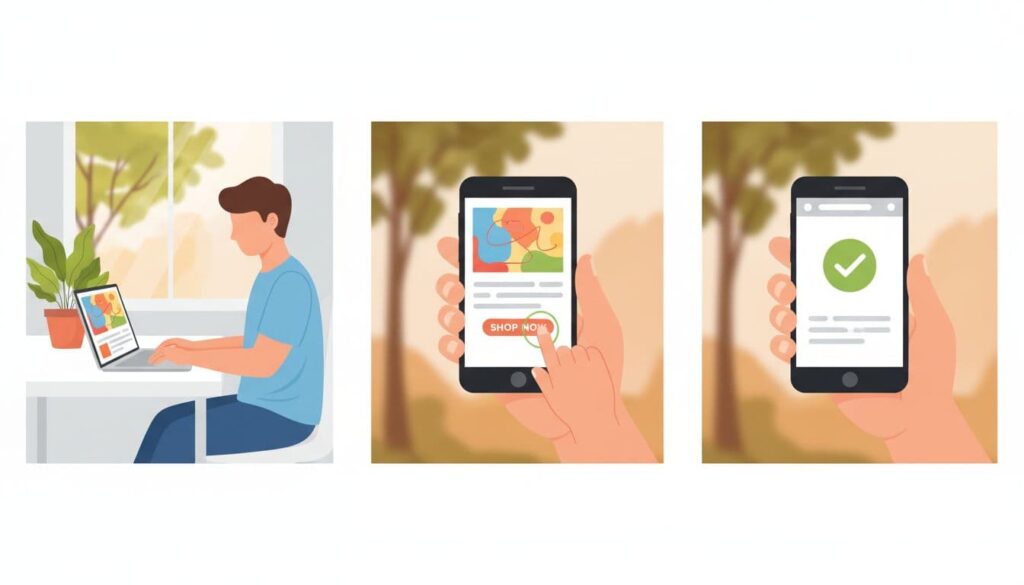
After the click, tracking begins. If the person buys or completes the required step, you may earn a commission. That successful action is called a conversion. In plain English, a conversion is when the click turns into the result the company wants.
A few beginner terms matter here:
- An affiliate link is your personal tracking link.
- A commission is the amount you earn per sale or action.
- Cookie duration is how long your referral stays tracked after the click.
- A payout threshold is the minimum amount you must earn before the program pays you.
- A conversion is the completed action that triggers your payout.
Here is a simple example. You write a post called “Best beginner crypto wallets for 2026.” A reader finds it on Google, reads your breakdown, and clicks your wallet recommendation. If they sign up within the cookie window, and the program approves that action, you earn a commission.
Helpful content gets the click. Trust gets the conversion.
That is why trust matters more than posting links everywhere. If people feel pushed, they leave. If they believe you understand the problem and explain the trade-offs clearly, they are far more likely to click and act.
What zero investment really means, and what it does not mean
Zero investment usually means no money spent upfront. You are not paying for ads, premium software, or a custom site on day one. Instead, you use free platforms and build with what you already have.
Still, free does not mean easy. The real cost is your time, your consistency, and your willingness to learn. You will spend hours choosing a niche, understanding programs, creating useful posts, and improving weak content.
Traffic is the biggest reality check. Free traffic can work well, but it rarely comes fast. Search traffic takes time, social posts need repetition, and early content often gets little attention. That is normal.
A beginner who understands this avoids two common mistakes:
- Expecting results after a few posts.
- Posting links before building trust or context.
You also need to read program terms closely. Some affiliate programs have long payout delays, low cookie durations, or high payout thresholds. For example, a program might pay only after you earn $50, or it might track referrals for just 24 hours. Those details shape your strategy from the start.
In other words, zero investment is a low-cash model, not a no-effort model. If you treat it like a real skill, you can grow without spending money upfront. If you treat it like easy money, you will burn time and get discouraged fast.
Choose a niche and beginner-friendly offers you can promote with confidence
Picking a niche is where many beginners either build momentum or lose it fast. If you try to cover everything, your content gets blurry and your recommendations feel random. A better move is to choose one topic area where people already spend money, where you can keep publishing useful content, and where the offers make sense for a beginner audience.
For a site like this, personal finance and crypto are strong options because both reward clear education. Still, they also demand care. If you talk about wallets, exchanges, tax tools, or savings apps, keep your advice practical, avoid hype, and review each program’s current terms before you promote it.
How to pick a niche people already spend money in
Start with a simple test: can you name real problems people in that niche want solved? If the answer is yes, you probably have something useful. People spend money when they want to save time, reduce risk, improve health, earn more, or make a task easier.
That is why beginner-friendly niches keep showing up year after year. Personal finance has budgeting tools, credit products, and tax software. Crypto has wallets, exchanges, and swap tools. AI tools help people write, organize, and automate simple work. Health, beauty, and pets also work because people buy products in those areas again and again.

A good niche usually passes four quick checks:
- People already buy in it, not just read about it.
- You can publish at least 20 helpful content ideas.
- The products solve a clear problem.
- You can explain the topic in plain English.
For example, crypto can work well if you stay educational. Content like wallet comparisons, seed phrase safety, exchange fees, or beginner tax guides meets a real need. On the other hand, broad topics like “make money online” often attract weak traffic and weak trust because the advice gets too vague.
Pick a niche where you can help someone make a safer or smarter choice.
Interest matters too, but interest alone is not enough. You do not need to be obsessed with a niche. You only need enough curiosity to keep learning and enough patience to explain it clearly. If you can do that, you will have an easier time building trust.
The best free affiliate programs for beginners in 2026
Once you pick a niche, choose programs that are free to join and easy to manage. As a beginner, you want simple dashboards, clear tracking, and offers you can understand without a week of training.
Broad affiliate networks are often the easiest starting point because they give you access to many offers in one place:
- Amazon Associates is beginner-friendly because approval is usually simple, the dashboard is easy to use, and you can promote products across many niches.
- ClickBank works well for digital offers, especially in health, finance, and some AI categories. It is easy to join, but you need to review product quality carefully.
- PartnerStack is a strong fit for AI tools and software. Many offers include recurring commissions, and the platform is clean and easy to follow.
- CJ Affiliate gives access to larger brands, though approval can be a little tougher if you have no traffic yet.
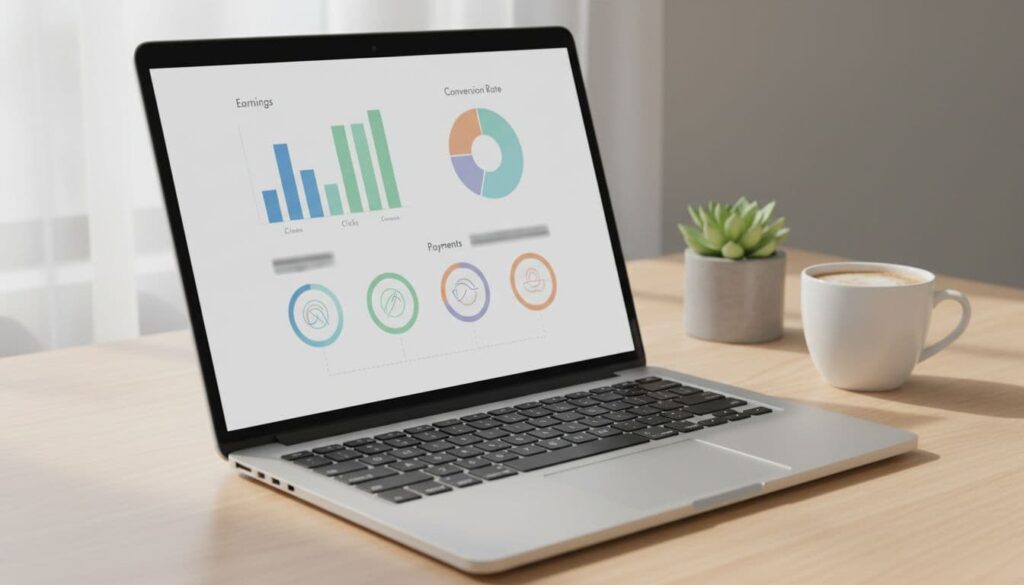
Niche-specific programs can be even better when they fit your audience closely. In crypto, beginner-friendly examples include Coinbase, Ledger, and ChangeNOW. Coinbase is familiar to new users and has a support system many beginners recognize. Ledger fits wallet safety content well, especially if you teach self-custody basics. ChangeNOW can match educational content about crypto swaps. RockWallet may also fit a mobile-first beginner audience, but check the latest details before applying.
Because terms can change, always confirm the current commission rate, cookie window, payout method, and approval rules on the official program page.
How to choose offers that match your audience, not just high commissions
High commissions can look exciting, but they do not guarantee earnings. A lower-paying product that people trust often converts better than a flashy offer with a big payout and a weak reputation. In affiliate marketing, conversion rate beats headline commission more often than beginners expect.
If your audience is new to crypto, a trusted wallet or beginner exchange may earn more than a complex trading product. The reason is simple: people act when the next step feels safe and clear. They leave when the offer feels risky, confusing, or too advanced.
Use this filter before you promote anything:
- Can you explain what the product does in a few plain sentences?
- Does it solve a problem your reader already has?
- Is it suitable for a beginner, or does it need advanced knowledge?
- Would you feel comfortable recommending it to a friend?
That last question matters. If you would hesitate to recommend it in real life, do not build content around it. Your content should sound like guidance, not a sales pitch.
For this site, that means educational offers are usually the better fit. A wallet, exchange, tax tool, or security product can make sense when your content teaches setup, safety, fees, or common mistakes. Pair the offer with context, honest pros and cons, and a clear reminder to do personal research. That approach builds trust, and trust is what turns clicks into commissions.
Build your free affiliate setup without paying for a website
You do not need a custom site to start affiliate marketing in 2026. Free platforms already give you reach, basic analytics, and a place to publish helpful content. The smart move is to keep your setup small at first, because a simple system is easier to manage and easier to improve.
Start with one main platform, one backup place to catch interest, and a few free tools. That gives you a clean path: publish content, earn clicks, and learn what people respond to before you add anything else.
Pick one main content platform and one place to collect traffic
Most beginners stall because they try to post everywhere at once. A better plan is to choose one main content platform based on how you like to communicate, then add one backup platform that helps people find you again.

Your choice should match your comfort level:
- If you like talking on camera, TikTok or YouTube are strong picks. Short videos work well for quick tips, product demos, and simple comparisons.
- If you prefer visuals over talking, Instagram or Pinterest make more sense. Pinterest is especially useful because pins can keep sending traffic for months.
- If writing feels easier, use Medium, Blogger, or WordPress.com to post simple guides, reviews, and beginner checklists.
- If you enjoy discussion and can follow community rules, Reddit can support your main platform, but it should not be your whole strategy.
For most beginners, this pairing works well:
| Main platform | Best backup or home base | Why it works |
|---|---|---|
| TikTok | Instagram or Kit/Brevo | Fast reach, then capture interest off-platform |
| YouTube | Medium or WordPress.com | Video trust plus searchable written content |
| Blogger or WordPress.com | Visual discovery plus a simple content archive | |
| Medium/Blogger | Pinterest or YouTube Shorts | Written content plus extra traffic sources |
Your free blog or profile page is your home base. It is where people can learn what you cover, find your best recommendations, and click your links in one place. Keep it basic. One profile, a clear topic, and a few helpful posts are enough to begin.
Pick one place to publish and one place to reconnect. That is enough to get moving.
Create a simple profile that looks trustworthy from day one
People click affiliate links when they trust the person sharing them. That trust starts with your profile, even before anyone reads a full post or watches a full video.

Keep your setup clean and honest. Use a clear profile photo, a niche-focused name or handle, and a short bio that explains what you help with. For example, if you cover crypto beginner tools, say that plainly. If you compare budget apps or starter wallets, say that too.
A strong beginner profile usually includes:
- A real-looking profile image, not a random graphic
- A short bio with your topic and who it helps
- A simple promise, such as tips, reviews, or beginner guides
- One link hub if you need to share more than one link
- Plain affiliate disclosure, such as “Some links may pay me a commission at no extra cost to you”
Also, keep your claims realistic. Do not promise easy money, guaranteed profits, or “best ever” results. On a site like this one, that matters even more for finance and crypto content. Clear wording builds confidence. Hype does the opposite.
If you need a link hub, keep it short. Add your best resource first, then one or two affiliate-related links that match your content. Too many choices can kill clicks.
Use free tools to make content, track links, and stay organized
You do not need a big stack of apps. You need a few free tools that help you publish consistently and see what is working.
Start with content planning. A simple board in Notion or Trello, or even a folder in Google Docs, is enough to plan post ideas, video hooks, and affiliate angles. When ideas are stored in one place, you waste less time staring at a blank screen.
Next, use a basic design tool. Canva is enough for pins, thumbnails, simple carousels, and lead magnets. You are not building an ad agency. You only need clean visuals that make your content easier to click and easier to understand.
For tracking, keep it simple. Many affiliate programs already show clicks, conversions, and earnings inside their dashboards. That should be your first stop. If you want cleaner links or extra click data, a free short-link tool like Bitly can help.
Email capture is useful even without a website. Free plans from Brevo or Kit let you build a simple form or landing page, collect emails, and send a basic welcome message. That gives you a way to stay in touch even if a social platform changes its reach overnight.
A beginner-friendly setup can be this small:
- Plan ideas in Google Docs, Notion, or Trello.
- Make simple visuals in Canva.
- Track results in your affiliate dashboard, then shorten links if needed.
- Collect emails with Brevo or Kit.
That is enough to start publishing this week, which matters more than building a perfect setup on paper.
Get free traffic by making helpful content people actually want
Free traffic comes from trust, search intent, and consistency. It does not come from dropping affiliate links in random places and hoping for clicks. If your content solves a beginner problem, people can find it through Google, YouTube, Pinterest, TikTok, Instagram, Reddit, LinkedIn, email, and even AI search tools that pull clear answers from useful pages.
That means your job is simple on paper: pick beginner questions, answer them well, and publish on a schedule you can keep. Over time, that creates a small library of content that keeps working for you, even while you sleep.
Use a beginner content plan you can repeat every week
Most beginners quit because their content plan is too hard to maintain. They try long blog posts, daily videos, endless platform hopping, and burn out within a month. A better approach is to use one simple format mix and repeat it every week.

A strong beginner plan usually sticks to five content types:
- Tutorials that show how to do one task
- Reviews that explain who a product fits
- Comparisons that help people choose between two options
- Beginner mistakes posts that prevent bad decisions
- Checklists that make action feel easier
For example, if your niche is crypto tools, one week could look like this:
- Monday, a short tutorial on setting up a beginner wallet
- Wednesday, a comparison between two wallet apps
- Friday, a post or video on common seed phrase mistakes
That rhythm works because it is realistic. You are not trying to be everywhere. You are building a repeatable system.
If you prefer video, keep the same structure and turn each topic into a YouTube video or short script for TikTok and Instagram Reels. If you prefer writing, publish on Medium, WordPress.com, or Blogger, then share the key takeaway on Pinterest, LinkedIn, or email. The format matters less than the habit.
Pick one posting schedule you can keep for three months. Slow and steady beats random bursts every time.
Write posts and scripts that answer real questions clearly
Helpful content starts with real questions people already ask. That is where search traffic comes from, and it is also what AI search tools can understand and cite. If your title and opening paragraph answer a clear question, your content is easier to rank, easier to skim, and easier to trust.
Good beginner topic angles include:
- how to choose a crypto wallet
- best crypto wallet for beginners
- is this exchange safe for new users
- common mistakes when buying Bitcoin
- how to store seed phrases safely
- Coinbase vs Ledger for beginners
These topics work because the intent is obvious. The reader wants help making a decision, avoiding a mistake, or staying safe. That is the kind of traffic that converts far better than broad, fuzzy topics.
When you write, get to the point early. Give a direct answer first, then add context, trade-offs, and next steps. Search engines and AI tools both reward content that is easy to parse. So use plain headings, short paragraphs, and honest language. If a product has limits, say so. If a tool is good for beginners but weak for advanced users, say that too.
A simple structure works well for both blog posts and video scripts:
- State the question clearly in the title
- Answer it in the first few lines
- Explain the main pros, cons, and use case
- Add beginner warnings or mistakes to avoid
- Link to the tool only when it genuinely fits
That style builds SEO visibility and AI search visibility because the answer is clear, useful, and easy to quote. It also sounds more human, which matters just as much.
Share in communities without spamming or burning trust
Community traffic can work fast, but it can also disappear fast if you act like a promoter instead of a helpful person. Reddit, Facebook groups, Discord servers, niche forums, and Slack communities all reward one thing first: real participation.

Start by reading the rules. Then spend time answering questions, sharing personal lessons, and posting useful comments without links. That gives people a reason to trust your name when they see it again.
A simple pattern works well:
- On Reddit, answer niche questions with clear, non-salesy comments
- In Facebook groups, share practical tips and only link when the group allows it
- On Discord and Slack, help in the right channels and avoid direct promo unless asked
- In forums, write useful replies that stand on their own, even without a link
When you do share a link, make it relevant to the exact discussion. If someone asks how to compare beginner wallets, a useful comparison post may help. If your link only exists to grab a click, people can tell right away.
This matters on social platforms too. A helpful YouTube video can feed your email list. A TikTok tip can lead people to a longer guide. A Pinterest pin can send traffic to a checklist post. A LinkedIn post can attract readers who want a more detailed breakdown. Each channel works better when the content starts with help, not with promotion.
Trust is slow to build and easy to lose. Protect it like an asset, because in affiliate marketing, it is one.
Read Also: 17 Legit Ways to Make Money Online in 2026 You Can Start Now
Follow a 30 day action plan to get your first clicks and first sale
Your first month should be about building the habit, not chasing fast money. Most beginners won’t see instant sales, and many see slow results at first. That’s normal, especially on free platforms where trust and reach take time.
Use this 30 day plan to keep things simple. Pick one niche, one main platform, a few offers, and a small batch of useful content. The goal is to get your first clicks, learn what people respond to, and give yourself a real shot at that first sale.
For a detailed content roadmap covering exactly what to publish each week, follow this first affiliate content plan.
Week 1, choose your niche, join programs, and set up your platform
Week 1 is your setup week, so keep your choices tight. Choose one niche only. For this kind of site, that could be beginner crypto wallets, crypto tax tools, exchange comparisons, or basic personal finance apps. A narrow niche is easier to explain, easier to post about, and easier for people to trust.
Next, join two to three affiliate programs that fit that niche. Don’t sign up for ten. That only creates noise. If you focus on beginner crypto, for example, a wallet program, an exchange program, and one simple finance tool is enough to start.

Then set up one main platform. If you like writing, use Medium, Blogger, or WordPress.com. If you’re better on camera, choose YouTube or TikTok. One platform is enough for now because spreading yourself too thin slows everything down.
Your profile only needs a few basics:
- A clear photo or simple brand image
- A bio that says what you help with
- A niche-focused handle or name
- A plain affiliate disclosure
- One link hub, if you need to share more than one link
Keep your disclosure simple and easy to spot. Something like, “Some links may earn me a commission at no extra cost to you” works well. By the end of Week 1, your win is simple: your niche is chosen, your programs are approved or pending, and your profile is ready to publish.
Week 2 and Week 3, publish useful content and test what gets attention
Now you need content people can actually use. A good beginner target is three to five strong posts or videos each week. That’s enough to learn fast, but still realistic if you’re doing this with free tools and limited time.
Focus on content that solves one problem at a time. Reviews, how-to guides, and beginner FAQs usually work best early because they match what new users search for. They also make your affiliate links feel natural instead of forced.

A simple content mix could look like this:
- One honest review, such as a beginner wallet or app review
- One how-to post, such as how to set up or use the tool
- One comparison, such as one wallet versus another
- One FAQ post, based on common beginner questions
- One mistake-based post, such as common setup errors to avoid
Test different angles while staying in the same niche. For example, one post might be “Best crypto wallet for beginners,” while another could be “Ledger vs hot wallet for first-time users.” The topic is close, but the angle changes.
This is also the stage where patience matters. Real-world timelines are often slower than beginners expect. Many people on free platforms don’t see their first clicks for a while, and first sales often come later. Therefore, measure progress by what you publish and what gets engagement, not by income alone.
In the first month, consistency beats perfection every time.
Reply to comments, improve your titles, and watch which posts get saves, clicks, or longer views. Those small signals matter because they tell you where interest already exists.
Week 4, track clicks, improve winners, and avoid common beginner mistakes
By Week 4, you should have enough data to spot early patterns. Open your affiliate dashboards and look for the basics: which links got clicks, which content got attention, and which topics people engaged with most. You don’t need fancy analytics yet. The built-in dashboard is enough for a beginner.
If one topic gets clicks, make more content around that exact topic. If a review outperforms a general tip post, publish another review. If a how-to post keeps getting views, turn it into a short video, a carousel, or a clearer follow-up article. Winners deserve more attention.
Set realistic goals here. Your best result in month one may be a handful of clicks and better clarity on what to post next. That’s still progress. In many cases, beginners using free platforms see slow traction at first, so the main job is to keep improving what already shows promise.
A few mistakes can stall that progress fast:
- Promoting too many offers at once
- Picking a niche that is too broad
- Copying other creators instead of adding your own view
- Making unrealistic claims about income or results
- Quitting after a few quiet weeks
Keep your next move simple. Double down on the content format that earned attention, clean up weak posts, and keep publishing. That is how first clicks turn into first sales, even if the early wins look small.
Frequently Asked Questions About Starting Affiliate Marketing With Zero Investment
Can you really start affiliate marketing with no money?
Yes, you can start without spending money upfront if you use free publishing platforms, free design tools, and affiliate programs that cost nothing to join. The trade-off is that growth usually takes more time because you rely on free traffic instead of paid reach.
What is the best platform for beginner affiliate marketers with zero investment?
The best platform is the one you can use consistently. For most beginners, YouTube, TikTok, Medium, Blogger, WordPress.com, and Pinterest are strong options because they are free and can help you publish useful content quickly.
How long does it take to get your first affiliate sale with free traffic?
It often takes longer than beginners expect. Free traffic usually builds slowly, so early wins may look like clicks, saves, comments, or email signups before they turn into sales.
Which affiliate programs are easiest for beginners to join?
Beginner-friendly options often include Amazon Associates, ClickBank, PartnerStack, and some niche-specific programs with simple dashboards and clear terms. Before applying, check each program’s commission rate, cookie window, payout rules, and approval requirements.
Is affiliate marketing a good fit for crypto and finance content?
It can be, but the content needs extra care because bad advice can hurt readers. Educational offers, honest pros and cons, clear risk language, and visible disclosures make this type of content safer and more trustworthy.
Conclusion
The best way to start affiliate marketing with zero investment is to keep it simple. Choose one niche, stick to one platform, pick a few trusted offers, and publish helpful content on a steady schedule. That focused approach is usually what gives beginners their first clicks, because clear advice builds trust faster than scattered promotion.
Results rarely show up right away, especially when you’re relying on free traffic. Still, if you stay consistent and improve what gets attention, you give yourself a real chance to grow without spending money upfront. Over time, your content library and your reputation can do more work than any fancy tool.
For finance and crypto topics, that trust matters even more. Promote carefully, stay honest about risks, and do your own research before you recommend any product, platform, or service.
Read Also: Affiliate Marketing in 2026: What You Need to Grow Smarter
Affiliate Disclosure (FTC Compliant)
In accordance with the Federal Trade Commission’s guidelines, please assume that some of the links on this website are affiliate links. This means that I may earn a commission if you click on a link and make a purchase, at no additional cost to you.
As an affiliate, I only promote products and services that I have either used personally or thoroughly researched and believe will add value to my readers. Any compensation received does not influence the content, topics, or recommendations made on this website.
I am a participant in various affiliate advertising programs, including but not limited to programs designed to provide a means for websites to earn advertising fees by advertising and linking to products or services.
Please understand that your decision to purchase any product or service is entirely your own responsibility, and you should conduct your own due diligence before making any financial decisions.
If you have any questions regarding this disclosure, feel free to contact me.
Thank you for supporting this website.
Post Last Updated : April 24, 2026
About The Author
