You don’t need a four-year degree to build a solid career with less stress. With in-state public college tuition around $11,950 a year and the average graduate owing about $29,560 in debt, it makes sense to look for a better path.
Low-stress jobs without a degree can give you flexibility, stability, and strong pay without the pressure that comes with so many office jobs. If you’re starting fresh, changing careers, or want work that fits your life better, these options are worth a close look.
Below, you’ll see 15 real job paths, what they pay, how stressful they tend to be, and how you can get started even if you’re new.
What makes a job low-stress and still worth your time?
A low-stress job still has to pay the bills, but it should also leave you with energy after work. That usually means steady hours, manageable pressure, and a routine that does not drain you before the week is over.
You also need to look past salary alone. A job can pay well and still feel heavy if it comes with long commutes, constant customer drama, strict quotas, or hard physical labor.

How pay, pressure, and lifestyle fit together
The best job for you is the one that fits your whole life, not just your bank account. If work pays well but leaves you exhausted, it can cost you time, sleep, and patience in ways that do not show up on a paycheck.
That is why schedule, commute, customer contact, physical demands, and income all matter together. A job with fewer people, a short drive, and predictable tasks can feel far lighter than one with the same pay and nonstop pressure.
Before you decide, ask yourself a few simple questions:
- Can you live on the pay without needing a second job?
- Does the schedule fit your family, school, or side work?
- Is the commute short or is it eating up your day?
- How much people contact will you deal with each shift?
- Does the work drain you physically, or can you handle it long term?
That last point matters more than many people think. A job with decent money can still wear you down if you spend all day on your feet, lifting heavy items, or solving urgent problems for other people.
A good career should fit your energy, not just your budget.
A quick note on training, licenses, and certifications
No degree does not mean no training. Some low-stress jobs without a degree need a short course, a state license, or a certification before you can start. Others care more about what you can show, like a portfolio, sample work, or past experience.
That is good news if you want a faster path. You may only need a few weeks or months of focused prep before you qualify for work that pays much better than entry-level retail or food service.
For example, a real estate agent usually needs pre-license classes and a state exam. A massage therapist needs a license. A freelance writer may need nothing formal at all, but strong samples matter a lot. If you want an online path with very little upfront pressure, affiliate marketing for beginners is another option where you can start small and build skills as you go.
So when you look at these careers, judge them by the full picture. The right one gives you decent income, a manageable pace, and enough room to live your life without feeling trapped by your job.
Remote and flexible jobs can be some of the easiest to start
If you want low stress jobs without a degree, remote and flexible roles are often the easiest place to begin. You can work from home, skip the commute, and build skills without a big upfront cost.
That matters when you are changing careers or starting over. A quiet desk job, a laptop, and a steady routine can feel a lot better than a high-pressure job with constant interruptions.
Freelance writing gives you the most freedom if you like words
Freelance writing is a strong fit if you can explain ideas clearly and stick to deadlines. You might write blog posts, website pages, email campaigns, product descriptions, or social media captions.

Beginners often find work on Upwork, Fiverr, ProBlogger, or by pitching small businesses directly. Your portfolio matters more than a diploma, so a few solid samples can open doors fast.
Pay can start small, but it grows as you move toward better clients and stronger niches. That is where freelance writing becomes one of the better-paying remote jobs without a degree. The tradeoff is deadlines, since those can create pressure even when the work itself feels calm and home-based.
A simple portfolio often beats a fancy credential when clients want to see real writing.
Digital design can turn creativity into steady income
Digital design covers a few different paths. Graphic design is about visual pieces like logos, ads, and social posts, while UI and UX work focuses on how websites and apps look and feel for users.
Tools like Canva, Adobe Creative Cloud, and Figma make it easier to get started. If you can build clean, useful visuals, you can find work without a degree, especially when your portfolio shows range and good taste.

Revision rounds can be stressful, because clients often want changes after you think the job is done. Still, the work is a strong match if you enjoy creative tasks, want flexible hours, and like seeing your ideas turn into something useful.
Web development offers strong pay if you like solving problems
Web development is a practical path if you enjoy logic, structure, and problem-solving. You might build websites, landing pages, booking forms, or simple web apps for small businesses and startups.
Many people learn through bootcamps or self-taught practice, and that route is common for a reason. You can start with basic HTML, CSS, and JavaScript, then move into more advanced tools as your confidence grows.

Pay is often higher here than in many other no-degree jobs, especially once you build real experience. Remote work is common too, which makes web development one of the more flexible low-stress careers for people who like learning by doing.
When you enjoy debugging and problem-solving, the work can feel more like a puzzle than a grind.
Travel agents and computer support roles can be quiet, steady desk jobs
Travel agents help people plan trips, compare options, and handle bookings. You may answer questions, arrange flights, book hotels, and solve changes when plans shift.
Computer support specialists do something different, but the rhythm is similar. They help users fix tech problems, reset accounts, set up software, and answer basic hardware or network questions.
Both jobs can be started without a degree, and both can be remote. That makes them a smart fit if you want predictable work, regular hours, and less chaos than many customer-facing jobs.
They also suit people who like structure. If you prefer clear tasks and steady routines, these jobs can give you that without putting you under constant pressure.
Hands-on careers can pay well if you like calm routines and direct work
If you want low-stress jobs without a degree, hands-on work can be a smart path. You stay focused on one task at a time, follow a clear rhythm, and see the result of your effort right away.
These jobs do ask a lot from your body. Still, they often feel easier to manage than office jobs with constant messages, meetings, and sales pressure. For the right person, that slower, more direct pace is a relief.
Massage therapy can be relaxing work when you enjoy helping people
Massage therapy is a good fit if you like calm spaces and one-on-one work. Most programs take 500 to 1,000 training hours, and many states also require a license, so you need to finish school and pass the state steps before you start.

A typical day usually has a simple flow, client intake, prep, the session itself, then cleanup and notes. You may work in a spa, a clinic, a private practice, or as a mobile therapist who visits clients at home.
The room often stays quiet and steady, which is part of the appeal. Yes, the work is physical, and your hands, wrists, and back need care, but many people still find it peaceful because you help one person at a time and avoid the chaos of a busy front desk.
Postal service work gives you routine, benefits, and steady demand
Postal work is straightforward, and that helps lower the stress for people who like structure. Your main tasks are sorting mail, delivering letters and packages, scanning items, and collecting outgoing mail.
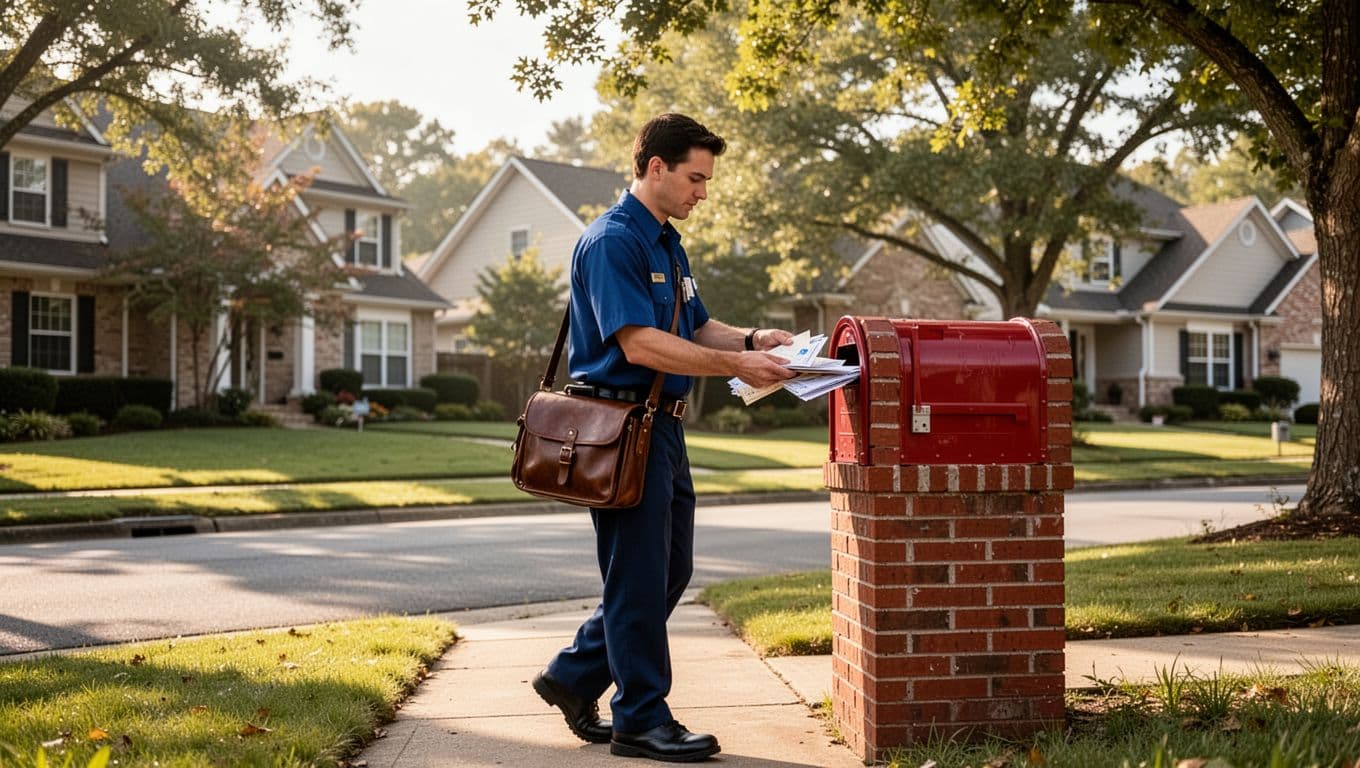
The job is physical, so you should expect a lot of walking, lifting, and time outdoors. Weather can make the day harder, but the route stays familiar, and that routine can feel grounding if you do better with clear expectations.
Postal jobs also come with a big plus, strong stability and benefits. Federal pay, health coverage, retirement options, paid leave, and overtime make this one of the more dependable no-degree careers on the list.
Library technician jobs are quiet and simple to learn
Library technician work is a strong match if you like calm spaces and steady tasks. You may check books in and out, shelve materials, help people find items, update records, and give basic computer support.

The setting is usually peaceful, and that matters a lot if crowds and noise wear you down. It’s also a friendly fit for introverts, since the work is helpful without being nonstop social.
Pay is lower than some of the other jobs on this list, so that tradeoff is real. Even so, the stress level is often very low, and the training path can be simple, with short certificates or on-the-job learning in many places.
Wind turbine technicians earn good money in a growing field
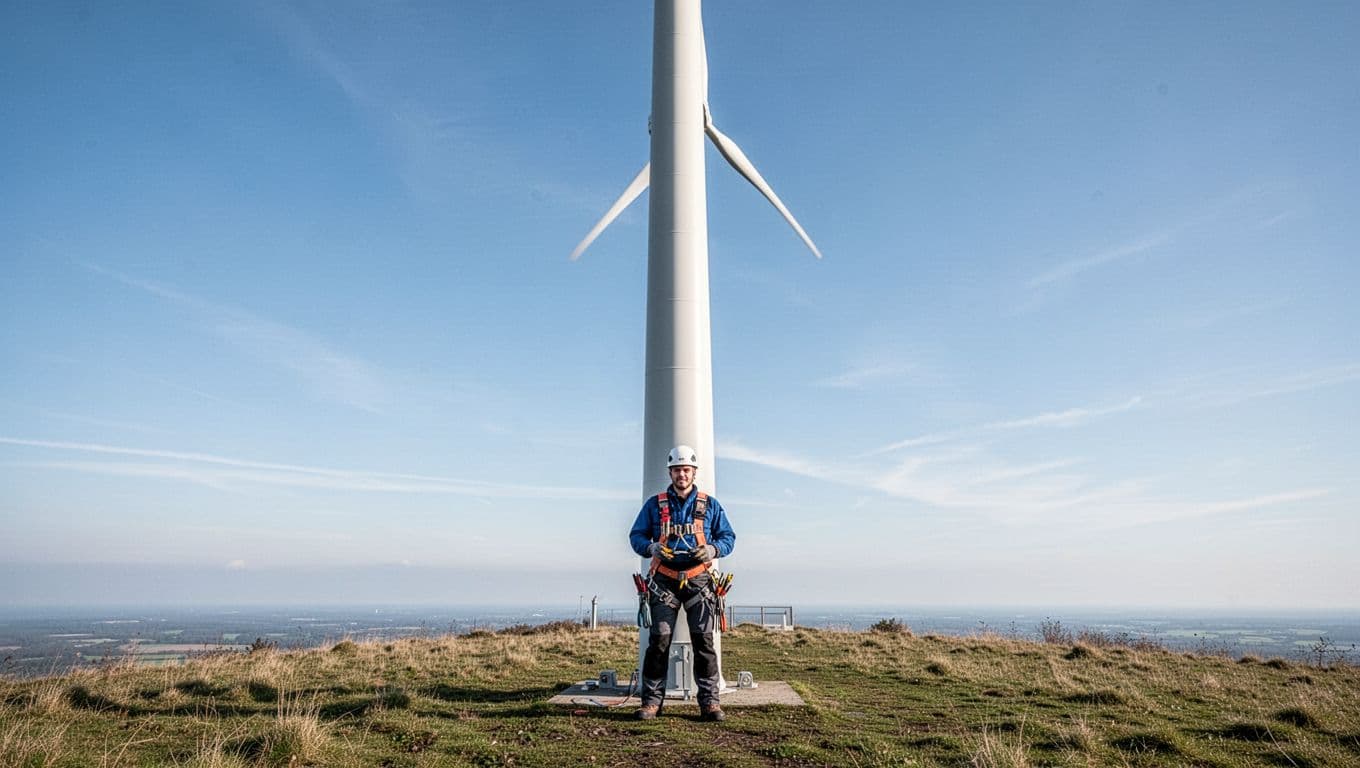
Wind turbine work pays well because it takes a mix of technical skill, safety awareness, and physical stamina. You can usually get started with a 6- to 12-month technical program or an apprenticeship, which makes it one of the stronger high-paying jobs without a degree.
A typical day may include climbing towers, inspecting blades, checking electrical systems, changing oil, and fixing gearboxes or sensors. Travel is common, and the work often happens outdoors, so your schedule can shift with the site and the weather.
You should also expect heights and heavy physical work. That said, if you like direct problem-solving and don’t mind a hard day’s work, this career can feel clear and focused instead of mentally draining.
A normal shift often looks like this:
- Inspect the turbine and spot damage early.
- Troubleshoot mechanical or electrical issues.
- Use tools, hoists, and safety gear at height.
- Log your work and move to the next site or unit.
The pay is strong, the field is growing fast, and the job fits people who want solid income without college debt.
Higher-paying paths may be less stress than you think if you choose the right fit
Some of the best-paying jobs without a degree do ask more of you up front. That usually means training, pressure, or a tougher schedule. Still, the right match can feel easier than a low-paying job that drains you every day.
The key is to look at the full tradeoff. A career can pay well because it needs skill, carries responsibility, or takes a real commitment to learn. If that pressure matches your personality and lifestyle, the job may feel more manageable than it sounds on paper.
Commercial pilots can earn big money, but the path takes time and money
Commercial flying pays well because the responsibility is huge. You are trusted with expensive aircraft, tight schedules, and the safety of passengers or cargo. That level of trust takes years of training, which is why the pay climbs fast once you qualify.

To get there, you need a commercial pilot license, ground school, written and practical tests, and at least 250 flight hours. Training often costs around $15,000 to $20,000, and that can rise depending on the school and aircraft time you need.
The stress comes from the job itself. Early departures, overnight trips, weather delays, and the weight of every decision can wear on you. If you like structure, focus, and long-term payoff, though, this is one of the strongest high-paying jobs without a degree.
Real estate agents control their schedule, but income can swing a lot
Real estate can feel flexible because you often set your own hours and build your own client flow. That freedom appeals to self-starters, especially if you want work that fits around family life, side work, or a changing schedule.

You usually need pre-licensing classes, a state exam, and a brokerage to work under. The upfront cost is modest compared with many careers, but your income depends on commissions, so slow months can hit hard.
That income swing creates pressure. You may work evenings, weekends, and holidays because that is when buyers and sellers are free. If you like sales, people, and a lot of independence, the upside can be strong, but the stress level is higher than many people expect.
Real estate can give you freedom, but that freedom comes with monthly pressure to close deals.
Data science can pay well, but you need patience and technical skill
Data science is about finding patterns in data and using them to help companies make better decisions. In simple terms, you look at numbers, clean up messy information, and turn it into answers leaders can use.

Many people enter this field through bootcamps, certificates, or self-study. The learning curve is real, though, because you need comfort with math, coding, and problem-solving before employers trust your work.
The upside is strong. Remote jobs are common, pay can climb fast, and the ceiling is high if you keep building your skills. For someone who likes quiet focus and steady learning, this can be one of the better low-stress jobs without a degree once you get through the early grind.
Commercial diving is high-paying, but it is not the easiest low-stress choice
Commercial diving pays well because it is specialized, dangerous, and physically hard. You need training, strong health, and the ability to work in conditions most people would never choose. That is exactly why the pay can be excellent.
The work is not gentle. You may deal with cold water, poor visibility, heavy gear, and long hours in harsh environments. Some jobs also involve offshore work, irregular schedules, and real safety risks, so this is not a casual career choice.
If you want a straightforward path, commercial diving is probably not it. If you want strong pay without a degree and you can handle risk, discipline, and physical strain, it can be worth a serious look.
A few common realities stand out:
- Training is required before you can work safely.
- Fitness matters because the job is demanding.
- Safety rules are strict since mistakes can be costly.
- The pay reflects the risk, not a soft workload.
Choose this career with open eyes. It can pay very well, but it belongs on the list because of the paycheck, not because it is easy.
How to pick the right no-degree career for your personality and goals
The best low stress jobs without a degree are not the same for everyone. Your personality, your income target, and the kind of pace you can live with matter just as much as salary.
If you want calm, look for work that matches your energy. If you want money fast, choose jobs with short training paths. If you want the biggest long-term payoff, pick a career that rewards skill growth, even if the start feels slower. The right job should fit your life now and still make sense a year from now.
Best options if you want remote work and a quiet setup
If you work best with fewer interruptions, aim for screen-based jobs that let you stay home. Freelance writing, web development, digital design, travel agent work, and computer support are strong fits because they give you more control over your day.
Freelance writing works well if you like clear deadlines and quiet focus. Web development is a good match if you enjoy problem-solving and want a job you can often do from a laptop. Digital design suits you if you like visual work and want more creative freedom. Travel agent roles and computer support jobs also fit home-based work because the tasks are structured, repeatable, and easier to manage in a calm space.

These jobs also help you control your day better. You can batch tasks, take breaks between calls or projects, and avoid the stress that comes with constant face-to-face interaction. If noise, commuting, or office politics drain you, this type of work can feel like a huge relief.
If your energy drops fast in busy spaces, a remote career can save you more than time. It can save your focus.
Best options if you want the fastest path to a paycheck
If you need income soon, focus on jobs with short training or simple entry steps. Postal service work, massage therapy, travel agent roles, and entry-level IT support can all get you moving without a long college track.
Postal service jobs are often attractive because the hiring process is clear and the work is steady. Entry-level IT support can also move fast if you earn a basic certification and show you can solve problems. Massage therapy takes more training, but it still follows a direct path, since you can often complete the required hours in months, not years. Travel agent work is another practical choice if you already know how to organize details and help people plan trips.
The big advantage here is speed. You are not waiting years to qualify, and you are not sinking money into a degree you may not need. For many beginners, that makes these no degree jobs a smart way to get stable income without a huge delay.
A simple rule helps here, if you want a paycheck fast, choose a job with:
- short training
- clear hiring steps
- on-the-job learning
- steady demand
That mix gives you a quicker start and less guesswork. You can build experience first, then decide whether to stay, specialize, or move into a better-paying version of the same work.
Best options if you want the highest earning ceiling
If your goal is long-term income, look at careers that reward skill and specialization. Commercial pilot, data science, web development, real estate, and wind turbine technician roles can all pay far more than a basic job, even if some take longer to reach top earnings.
Commercial pilots and data scientists usually need the most time and training, but the payoff can be huge. Web development can also climb fast once you build a strong portfolio and real experience. Real estate gives you more control over your schedule, and the earning ceiling rises if you can close deals well. Wind turbine technicians can earn strong pay too, especially as you gain technical skill and take tougher assignments.
These careers are a better fit if you can tolerate a longer ramp-up for a bigger reward. Some of them are not low effort, but they can still be less stressful than a job that pays less and gives you no room to grow. If you want a path with real upside, choose the one that matches both your patience and your strengths.
Conclusion
You don’t need a degree to build a stable career with less stress and better pay. The strongest move is to choose work that fits your strengths, your stress tolerance, and the income you actually need.
A degree is one path, but it isn’t the only path. If you want flexibility, better balance, or a clean way back into work, the right choice is the one you can stick with and grow in over time.
Pick two or three careers from this list, look into the training path for each one, and take one small next step today. That first move can be as simple as saving a course, checking a license requirement, or updating your resume.
About The Author
