Choosing between digital products and physical products in 2026 can shape your costs, workload, and earning potential as an affiliate marketer. Both can make money, but the better option depends on your startup budget, audience, content platform, profit goals, and how much customer service or fulfillment you’re willing to handle.
Digital products are growing faster in affiliate marketing because software, courses, templates, and subscriptions are easy to demonstrate through blogs, YouTube, Pinterest, Instagram, and TikTok. Physical products still lead many shopping categories, including fashion, home goods, electronics, and personal care, so they remain useful when your audience wants to see, compare, or buy tangible items.
We’ll compare margins, upfront costs, demand, delivery, customer trust, refunds, and affiliate potential, while keeping expectations realistic. You won’t need to promise easy income, but choosing products that match your audience and publishing helpful content, such as a first affiliate content plan, can give you a clearer starting point. If you prefer creating content without appearing on camera, these faceless business ideas may also help you choose a suitable platform. Let’s start with how each product type affects your profit and workload.
This post may contain affiliate links. If you make a purchase through these links, I may earn a small commission at no extra cost to you.
Watch: Digital products vs physical products in affiliate marketing
Key Takeaways
- Physical products still attract broad shopping demand, but commissions often stay between 1% and 5%, which means you need more sales volume.
- Digital products usually offer higher commissions, recurring payouts, and faster growth, especially for software, courses, templates, and subscriptions.
- Your best choice depends on your audience, content platform, budget, and willingness to manage product support or fulfillment.
- Beginners can start with one focused offer and a simple content system, including affiliate programs for small blogs.
- In 2026, helpful reviews, comparisons, tutorials, and short-form videos matter more than promoting random products.
Digital Products vs Physical Products: What Is the Real Difference?
Digital and physical products can both earn affiliate commissions, but they create very different customer experiences. One arrives through a download or login, while the other must be stored, shipped, and delivered.
What Counts as a Digital Product?
A digital product is an item customers access online or download to their device. Common examples include:
- Software, AI tools, and mobile apps.
- Online courses, ebooks, and paid memberships.
- Templates, design files, spreadsheets, and printable downloads.
- Prompt packs, presets, guides, and other downloadable files.
Digital products usually have no shipping cost or physical inventory. Customers can often access them immediately after payment, although software and memberships may require ongoing subscriptions or customer support.
What Counts as a Physical Product?
A physical product is a tangible item that customers can hold, use, and store. Clothing, electronics, beauty items, home goods, printed books, and fitness equipment all fit this category.
Physical products depend on inventory, packaging, shipping, and returns. However, shoppers often trust them because they can see the product in photos, videos, reviews, or demonstrations before buying.
| Factor | Digital products | Physical products |
|---|---|---|
| Delivery | Instant download, access, or login | Shipping to the customer’s address |
| Inventory | Usually no physical inventory | Stock must be available |
| Customer access | Available online through a device | Requires possession of the item |
| Common buying reasons | Convenience, learning, productivity, or entertainment | Practical use, appearance, quality, or personal preference |
The distinction also matters when you choose an affiliate model. If you create your own course, ebook, template, or product, you control the offer and keep the revenue after expenses. As an affiliate, you promote someone else’s product through a tracked link and earn a commission when a customer buys.
### Why Product Type Changes Your Content
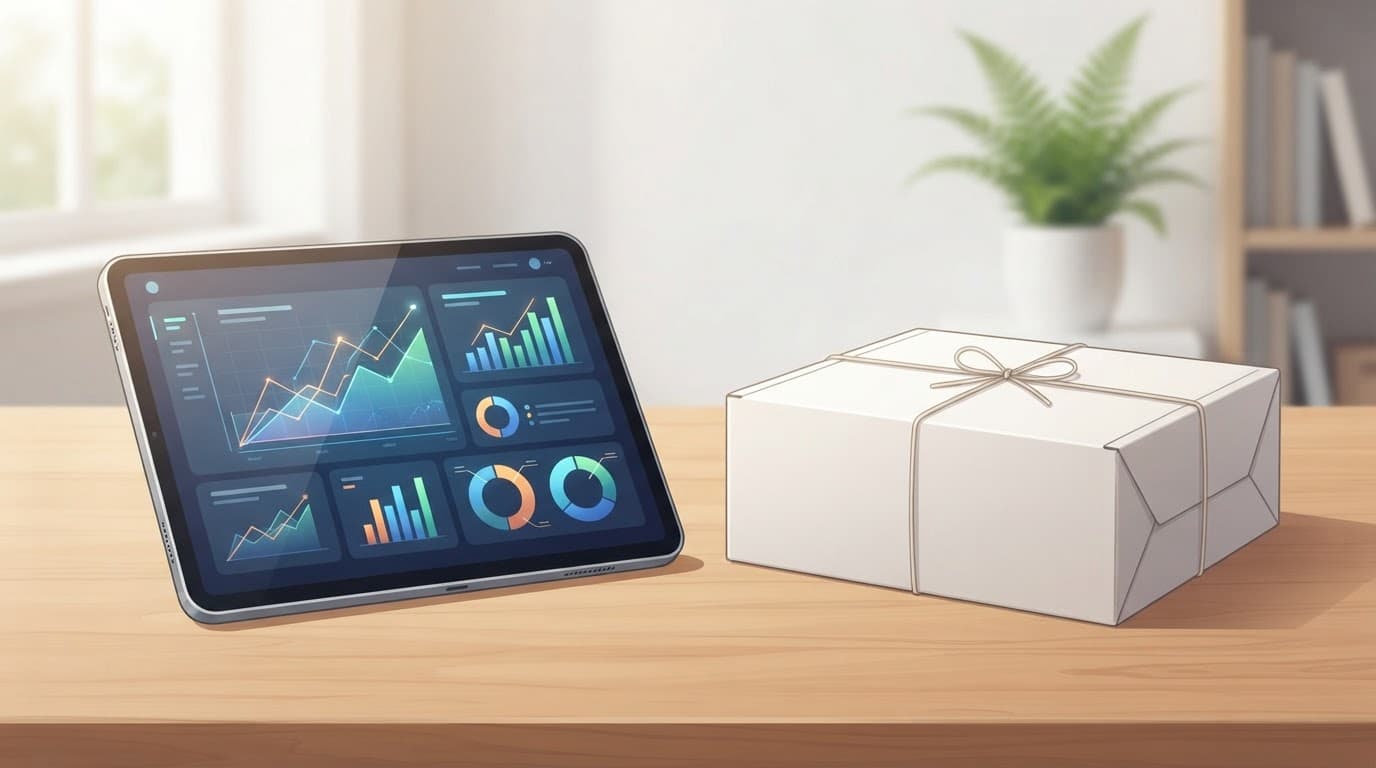
Digital offers usually need tutorials, walkthroughs, comparisons, and demonstrations. A blog post can explain an AI tool, while YouTube or TikTok can show how it works. Pinterest can promote templates, printables, and ebooks through searchable visuals.
Physical products need hands-on reviews, unboxings, styling ideas, product comparisons, and problem-solving demonstrations. You can also start affiliate marketing without a website by using short videos, Pinterest pins, or social content that shows how a product fits everyday life.
How Digital and Physical Products Compare on Profit, Cost, and Risk
Product type affects more than commission rate. It also changes your content workload, customer expectations, and financial risk. Some 2026 market estimates still show physical products generating a larger share of affiliate revenue, while digital offers are projected to grow faster. Treat those figures as estimates because sources use different methods and commission data changes often.
| Factor | Digital products | Physical products |
|---|---|---|
| Main costs | Software, content, updates, and support | Inventory, shipping, storage, returns, and damaged goods |
| Affiliate payout | Often higher, with recurring software commissions | Often lower, with one-time commissions |
| Sales reach | Global and instant | Limited by delivery regions and stock |
| Main risks | Piracy, refunds, privacy issues, and software churn | Price changes, stock shortages, returns, and delivery problems |
### Why Digital Products Are Attractive for Low-Budget Beginners
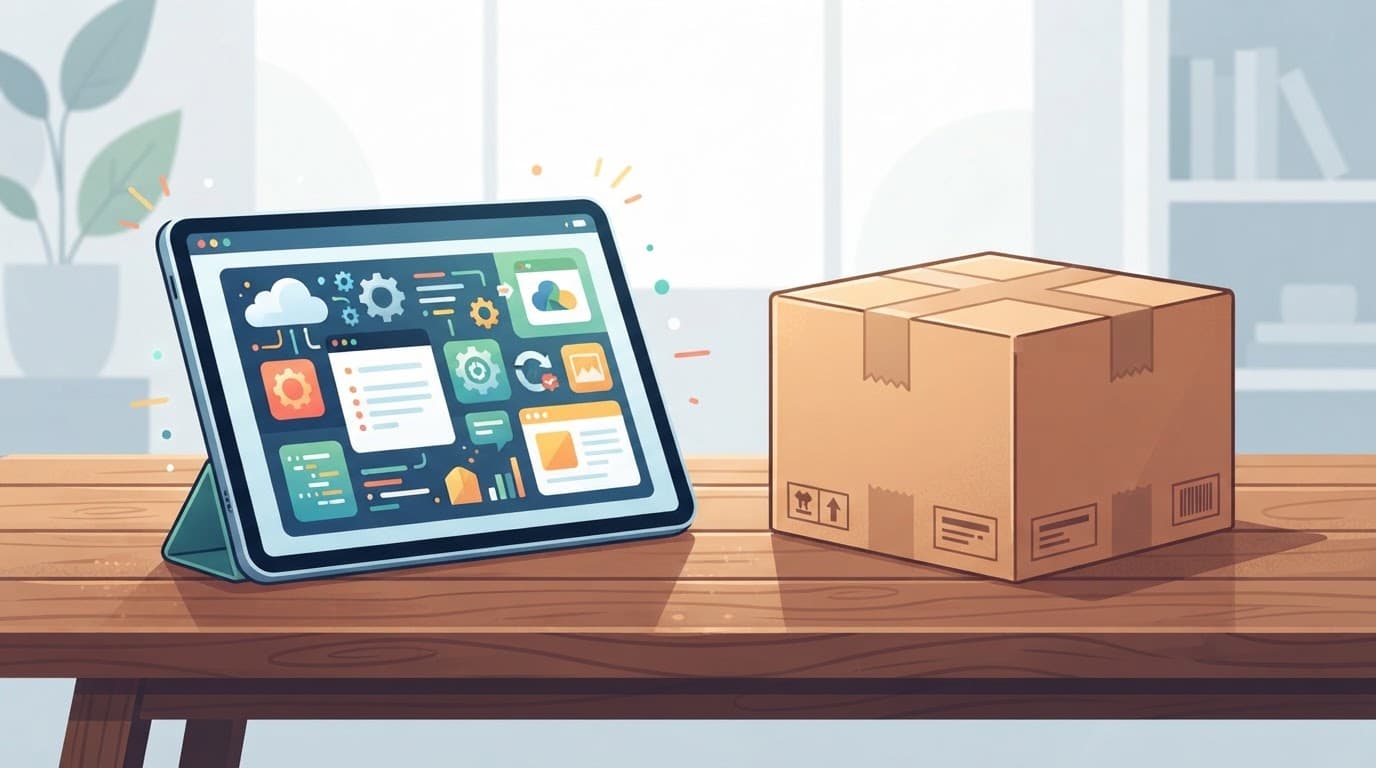
Digital products usually have high margins because sellers don’t pay for packaging, warehousing, or repeated delivery. Customers can receive a course, template, AI tool, business software subscription, or creator tool within minutes. Recurring subscriptions can also create monthly commissions, while one-time products pay only after the initial sale.
That structure fits comparison posts and tutorials in 2026. You can explain an automation platform or demonstrate a template with a screen recording instead of buying and shipping inventory. However, check the offer before promoting it. Review product quality, refund terms, privacy practices, customer support, and update frequency. An AI tool may attract attention today but lose value if users switch to a better or cheaper option.
Why Physical Products Still Convert Well
Physical products benefit from familiar brands, visible features, customer reviews, and strong purchase intent. A shopper searching for the best travel backpack or a specific laptop often wants to buy soon, which can support conversions.
Fashion, home goods, electronics, personal care, sports products, and travel bookings work well with unboxings, gift guides, product roundups, and short-form demonstrations. You can use YouTube Shopping, Instagram Shopping, Pinterest, live shopping, or standard affiliate links. Still, disclose your affiliate relationship clearly and avoid exaggerated claims about results, quality, or savings.
For a beginner, earning your first online commission may come faster with one product that matches your audience, regardless of its format.
Which Product Type Fits Your Audience and Content Platform?
The best product solves a clear problem for people who trust your recommendations. Match the offer to both your audience’s needs and the channel where they already consume content. A tech blog may promote hosting or AI software, while a beauty creator can focus on skincare products.
### Choose Digital Products When Your Audience Wants Skills or Systems
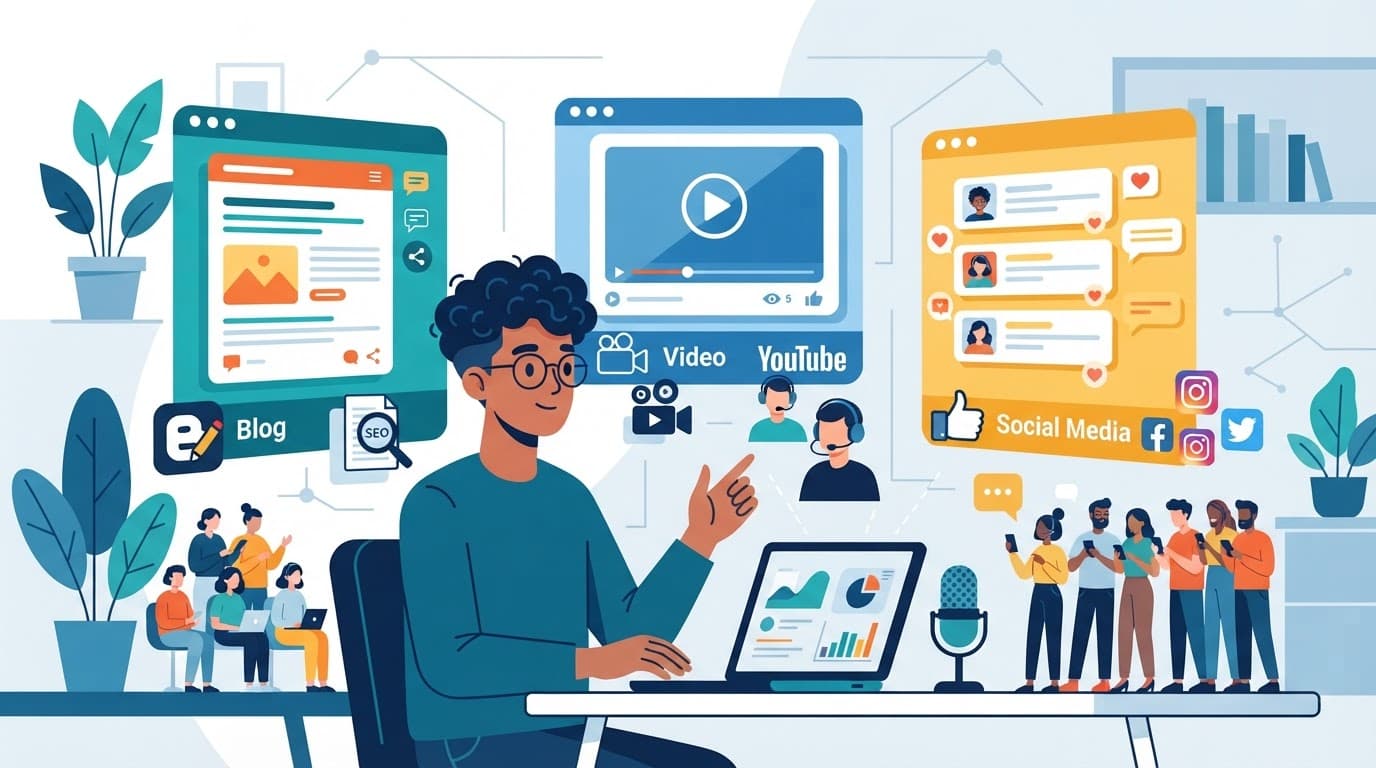
Digital products fit audiences searching for learning, productivity, marketing, freelancing, blogging, design, finance tools, and business automation. Software, templates, courses, memberships, and subscriptions also work well when your readers want a repeatable system rather than another physical item.
Blog SEO supports detailed software comparisons and step-by-step tutorials. YouTube is useful for course reviews, screen-recorded walkthroughs, and before-and-after workflow examples. Email works well when you can recommend a tool within a problem-focused lesson.
Show the product solving a real task instead of repeating claims from its sales page. Explain what you tested, who benefits, where the tool falls short, and what the customer can expect after purchase.
Choose Physical Products When Your Audience Needs to See and Compare Items
Physical products suit audiences researching appearance, comfort, size, build quality, features, or value. A home account might promote storage products, while a beauty creator demonstrates skincare texture and packaging through Reels or TikTok.
Use honest reviews, comparison charts, buying guides, seasonal lists, and hands-only demonstrations. Pinterest supports searchable gift guides and product roundups, while YouTube gives you room for detailed reviews.
Check prices, stock status, shipping regions, and product versions before publishing. Retailers can change any of these details, so add an update date and avoid promising a price or delivery time that may expire.
A Hybrid Strategy Can Be Stronger Than Picking Only One
Physical products can attract broad search and social reach, while digital products may offer higher commissions or recurring income. Keep both categories within one niche. A home office site could pair desk gear with productivity software. A blogging site could recommend microphones and laptops alongside hosting, email, and design tools.
Choose one main platform first, then repurpose useful content into clips, carousels, pins, or short posts. Avoid unrelated offers simply because they pay more. If the product doesn’t fit your audience’s problem, a larger commission won’t make the recommendation trustworthy.
How to Start Promoting Products Without Overspending
You can begin affiliate promotion with free traffic, one focused niche, and products you understand. Paid ads can wait until your content earns clicks and proves demand.

### Build Content Around Buyer Questions, Not Product Features Alone
Target searches with buying intent, such as “best AI writing tools for beginners,” “software A versus software B,” “best earbuds under $50,” honest hosting reviews, or “which template fits a weekly budget?” Informational content teaches a topic. Commercial content helps someone choose what to buy.
Give readers enough information to make a confident decision. Explain who should buy, who should skip the product, its main drawbacks, better alternatives, and the next step. A useful comparison or tutorial earns more trust than a list of features copied from a sales page.
Faceless Content Works for Both Product Types
You can promote software with screen recordings and voiceovers, or demonstrate physical products through hands-only videos, close-ups, slides, carousels, blog posts, and narrated Shorts. These formats work on YouTube, Pinterest, Instagram, and TikTok.
Faceless content still requires real effort. Trust comes from useful testing, clear explanations, honest limits, and consistent publishing. Readers who prefer anonymous content can find more starting points in faceless business ideas.
You Can Start Affiliate Marketing Without a Website
YouTube descriptions, Instagram bio links, permitted TikTok profile links, Pinterest pins, email, Telegram, WhatsApp, and approved landing pages can all support affiliate promotion. Follow each platform’s rules, use approved tracking links, disclose your relationship, and never spam groups or private messages. Learn more about affiliate marketing without a website.
Start with one niche and three to five relevant products. Check commission rates, cookie duration, payout rules, refunds, and promotional restrictions. Then research buyer keywords and publish comparisons or tutorials. Add a clear call to action, track clicks and sales in a spreadsheet, and improve content based on results. Your first small commission may come after several helpful posts, but no income level is guaranteed.
This post may contain affiliate links. If you make a purchase through these links, I may earn a small commission at no extra cost to you.
The Biggest Mistakes Beginners Make With Digital and Physical Offers
Beginners often lose trust by promoting offers before checking whether they genuinely help their audience. A high commission may look attractive, but poor product quality can cost you repeat readers, clicks, and future sales.

### Mistakes That Hurt Trust and Income
Choosing products only because they pay well is a common error. Your audience cares about results, fit, and value, not your payout. Promoting unrelated offers creates the same problem because a blog about beginner blogging tools will look unreliable if it suddenly recommends random fashion, fitness, and finance products.
AI can help with research, but copied AI-generated reviews often contain vague claims or inaccurate details. Add your own testing, screenshots, photos, or clear experience whenever possible. You should also mention drawbacks instead of hiding them. A balanced review feels more trustworthy and helps buyers choose with realistic expectations.
Digital product sellers need to check:
- Whether the software or course receives regular updates.
- How the company handles privacy and customer data.
- Whether support is available when users need help.
- Whether subscriptions renew automatically and what recurring billing costs.
Physical product promoters should verify the current price, stock status, shipping options, available sizes, warranty coverage, and return terms. Retail details change often, so a review that was accurate last year may mislead readers today.
Protect Your Content and Affiliate Account
Test or use an offer when you can, then check every affiliate link before publishing. Broken links, expired promotions, and incorrect product pages waste buyer intent. Update older posts when prices, features, shipping details, or commission terms change.
Relying on one platform also creates risk. Search rankings, social reach, and platform rules can change, so build more than one traffic source over time. However, don’t expect immediate results. Affiliate income usually requires consistent publishing, testing, and improvement over several months.
Finally, disclose your affiliate relationship clearly near recommendations. Readers deserve to know when a purchase may earn you a commission.
This post may contain affiliate links. If you make a purchase through these links, I may earn a small commission at no extra cost to you.
So, Which Is Better in 2026?
For most beginners, digital products are the better starting point. They usually require less overhead, reach customers worldwide, and may offer recurring commissions through software or subscription programs. Tutorials, software comparisons, and screen-recorded demonstrations also work well on blogs, YouTube, Pinterest, Instagram, and TikTok.
Physical products remain a strong choice when your audience enjoys shopping and visual recommendations. Fashion, home goods, beauty, electronics, fitness products, and gifts are easier to promote through unboxings, product comparisons, styling videos, and shoppable content. Physical commerce still has broad consumer demand, while creator-led discovery continues to move sales through YouTube Shopping, Instagram Shopping, TikTok Shop, and other social platforms.

### Use This Simple Decision Guide
Choose digital products if you want:
- Low startup costs and global delivery.
- Tutorials, reviews, and software comparisons as your main content.
- A chance to earn recurring commissions from subscriptions.
Choose physical products if your audience responds to:
- Shopping guides, visual demonstrations, and product roundups.
- Fashion, home, beauty, electronics, fitness, or gift content.
- Familiar retailers and tangible products they can compare before buying.
Test a focused hybrid if both formats fit one audience. For example, a home office site could promote desk accessories alongside productivity software. Keep the niche consistent, then measure clicks, conversions, and commissions instead of guessing.
In 2026, creator-led discovery, shoppable video, AI-assisted personalization, and mobile shopping all support both categories. AI can help tailor recommendations, but useful content still drives trust. Start with one product type and a small goal, such as making your first $100 with affiliate marketing, then expand after your data shows what your audience wants.
This post may contain affiliate links. If you make a purchase through these links, I may earn a small commission at no extra cost to you.
Frequently Asked Questions
The right product type depends on your audience, content format, and business goals. These answers cover practical questions that often come up after comparing digital and physical affiliate offers.

### Can I promote digital and physical products on the same blog?
Yes, if both product types serve the same audience. A home office blog could recommend desk accessories alongside project management software, while a fitness blog might feature workout equipment and training apps.
Keep the niche consistent, though. Promoting unrelated products can confuse readers and make your recommendations feel driven by commissions rather than usefulness.
Which product type is easier to keep updated?
Digital products often require more frequent content updates because software features, pricing, integrations, and subscription plans can change quickly. Physical products also need updates, especially when retailers change prices, stock, warranties, or product versions.
Set a review schedule for important posts. Checking your links and product details every few months can prevent outdated recommendations.
Do digital products have more refund risk?
They can, especially when customers buy courses, memberships, or software subscriptions without fully understanding what they receive. Refunds may reverse your commission, depending on the affiliate program’s terms.
Read the program’s refund policy before promoting an offer. Avoid products with exaggerated promises, unclear billing, or weak customer support.
How do I know whether an affiliate program is trustworthy?
Check the commission terms, cookie duration, payout threshold, refund rules, and promotional restrictions. You should also test the product’s customer experience, support quality, checkout process, and cancellation policy when possible.
A trustworthy program gives you clear terms and accurate tracking. If the company hides important conditions, choose another offer.
Are physical products better for SEO?
Physical products can attract strong search demand because people research items before buying. However, competition is often intense, especially for popular electronics, beauty products, and household brands.
You can compete with narrower topics, such as product comparisons for a specific budget, use case, or audience. Helpful first-hand details matter more than repeating retailer descriptions.
Should beginners start with one product or several?
Start with one main offer and create several useful pieces of content around it. Once you understand your clicks, conversions, and audience response, add related products that solve the next problem.
Conclusion
Digital and physical products can both work in affiliate marketing, but neither category wins for everyone. Digital products often give beginners a simpler, lower-cost start because they have instant delivery, fewer fulfillment issues, and stronger commission potential. Physical products can be easier to demonstrate, compare, and promote when your audience enjoys shopping for items in niches such as home, beauty, fashion, or electronics.
Choose one audience problem, one product type, and one platform this week. Then publish one useful piece of content, such as a tutorial, honest review, comparison, or hands-on demonstration.
After that, track clicks and conversions, pay attention to real audience responses, and improve the content that earns interest. You don’t need to chase every 2026 trend. The strongest choice is the product type you can explain clearly and recommend with confidence.
This post is last updated on August 03, 2026
About The Author
