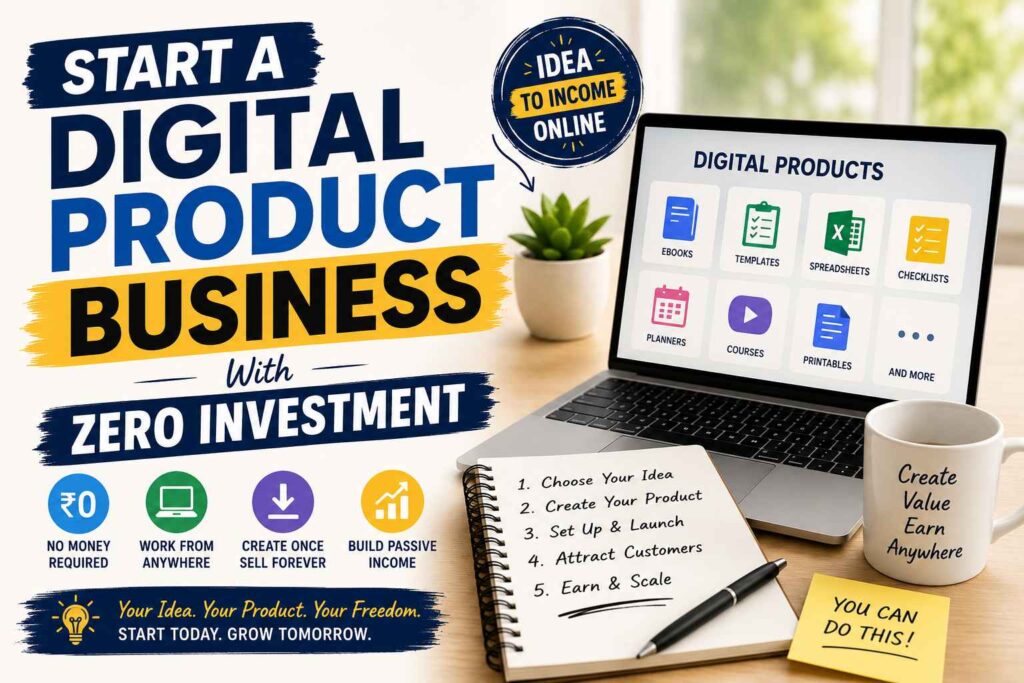
You can start a digital product business with zero upfront investment by using skills you already have, free creation tools, and organic traffic instead of inventory, paid ads, or a large budget. A useful product could be an ebook, template, checklist, mini-course, or prompt pack based on what you know from blogging, affiliate marketing, YouTube, Pinterest, Instagram, or TikTok.
“Zero investment” doesn’t mean zero cost forever. Free platforms such as Payhip and Gumroad can still charge transaction or payment-processing fees, while taxes and the value of your time also matter. You can begin by exploring beginner digital product ideas, choosing a focused audience, creating a simple offer with free tools, and promoting it through content. Your topic can also connect with choosing a beginner-friendly affiliate niche or making money with AI.
For a quick visual walkthrough, watch How to Start a Digital Product Business, then begin with the first step: finding an idea people already want.
This post may contain affiliate links. If you make a purchase through these links, I may earn a small commission at no extra cost to you.
Key Takeaways
- You can start a digital product business with free tools, a smartphone or laptop, and internet access.
- Begin with one useful product, such as an ebook, Canva template, planner, checklist, worksheet, or prompt pack.
- Research demand with Google Trends, social media discussions, and marketplaces before creating your offer.
- Sell through free-to-start platforms such as Gumroad, Payhip, or Instamojo, remembering that transaction fees may apply.
- Promote your product through Pinterest, Instagram, YouTube Shorts, WhatsApp, Facebook groups, and other organic channels.
How to Start a Digital Product Business With Zero Investment
A digital product business lets you create a useful file or online experience once, then sell it repeatedly without inventory, packaging, or shipping. Your product might help someone save time, learn a skill, organize their work, or solve a problem they face every week.
You can create ebooks, checklists, Canva templates, planners, prompt packs, spreadsheets, mini-courses, or creator resources. For example, a beginner blogger could sell a content calendar, while a Pinterest creator could offer a pin-design template pack. The best product usually comes from a problem you already understand.

### Use Free Tools and Platforms to Get Started
Free tools can cover most of the early work. Use Google Docs to write an ebook, Canva to design worksheets or templates, Google Sheets to build trackers, and ChatGPT to brainstorm examples or organize an outline. You can also use Google Trends to check whether people search for your topic.
For selling, platforms such as Gumroad, Payhip, and Instamojo offer free-to-start options. They can host your product, process payments, and deliver files automatically. However, free access doesn’t mean every sale is fee-free. Transaction fees, payment-processing charges, taxes, and your time still affect your earnings.
“Zero investment” usually means you can begin without paying upfront, not that your business has no operating costs.
Follow a Simple Beginner Roadmap
The fastest path is solving one specific problem for one clear audience. A huge course takes weeks or months to build, while a focused checklist or template can help you test an idea quickly.
- Choose a narrow problem, such as planning a first month of blog content.
- Validate demand through Google searches, social media questions, marketplace listings, and comments from your audience.
- Build a small version that delivers one clear result.
- Publish it on a free-to-start platform with a simple sales description and sample pages.
- Promote it through free traffic from Pinterest, Instagram, YouTube Shorts, TikTok, Facebook groups, WhatsApp, or your blog.
Start with the smallest useful product. After buyers ask questions or request improvements, update the offer and create related products around the same audience.
Choose a Digital Product Idea People Will Actually Buy
A product sells when it helps a specific person save time, reduce confusion, or reach a clear goal. Start with problems you understand through your work, hobbies, content, or affiliate marketing experience. A focused niche, such as the one discussed in these beginner-friendly affiliate niches, can make product selection much easier.
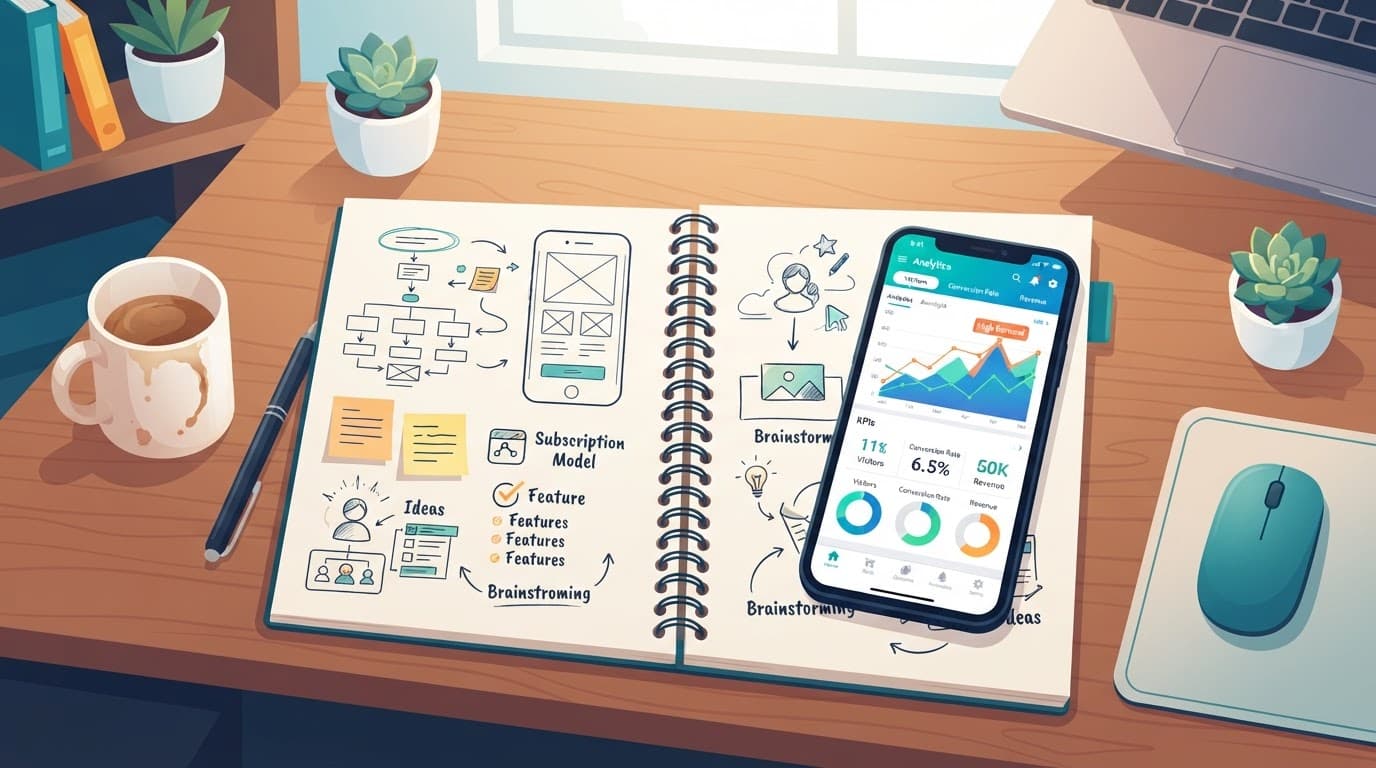
### Match the Product Format to the Problem
Choose the simplest format that delivers a useful result. A checklist works well for a repeatable task, such as publishing a blog post or preparing a Pinterest pin. A template fits work customers do often, such as a content calendar, short-form video plan, email sequence, or affiliate tracking sheet.
Use a guide when readers need clear instructions, while a workbook helps them apply those instructions to their own situation. A prompt pack suits creators who need ideas for captions, blog outlines, or AI-assisted research. Spreadsheets work best when users need to track numbers, deadlines, keywords, or content performance.
A mini-course makes sense when the process needs demonstrations or several connected lessons. However, beginners should avoid recording a large course before confirming demand. A focused template or checklist can test the idea faster and help you learn what buyers still need.
You can find more product possibilities in this list of digital products to sell, including ideas that fit blogging, Pinterest, YouTube, and social media.
Validate Demand Before You Build
Use a short validation process before spending days creating files or lessons:
- Write down repeated questions from comments, emails, Facebook groups, Reddit, YouTube, and Pinterest searches.
- Review competing products on marketplaces. Study their promises, formats, reviews, and customer complaints without copying them.
- Share a small free sample, such as one worksheet, three prompts, or a single page from the planned product.
- Ask for replies through a poll, Google Form, waitlist, or simple interest post.
- Improve the offer based on real feedback, then consider a pre-sale.
Google Trends can show whether interest is stable or growing. Search suggestions on YouTube and Pinterest can reveal the phrases people already use. Still, likes alone are weak evidence. Comments, email signups, downloads, waitlist joins, and pre-orders show stronger buying interest.
A simple idea filter asks whether the audience feels real pain, the product promises a clear outcome, you can create it quickly, and buyers may want an improved version later. These answers can guide related ideas about making money with AI without building products nobody requested.
Create and Sell Your First Product Using Free Tools
A simple workflow can take you from product idea to first sale without upfront software costs. Use Google Docs for writing, Canva for layouts, and a spreadsheet to track feedback, sales, and customer questions.
Build a Useful Minimum Viable Product
Start by outlining the customer’s desired result. Then create only the material needed to help them reach it. A focused product, such as a blog-post checklist or Pinterest template pack, is easier to finish and test within a few days.
Include practical examples, clear action steps, and a quick-start page. Avoid adding filler just to make the file longer. Your product should also include simple instructions, a thank-you page, and a version number such as Version 1.0 for future updates.
AI can help brainstorm an outline, organize rough ideas, or improve unclear sentences. However, fact-check every claim, add your own experience, and remove generic or copied material. Before publishing, check spelling, links, instructions, file access, and mobile readability.
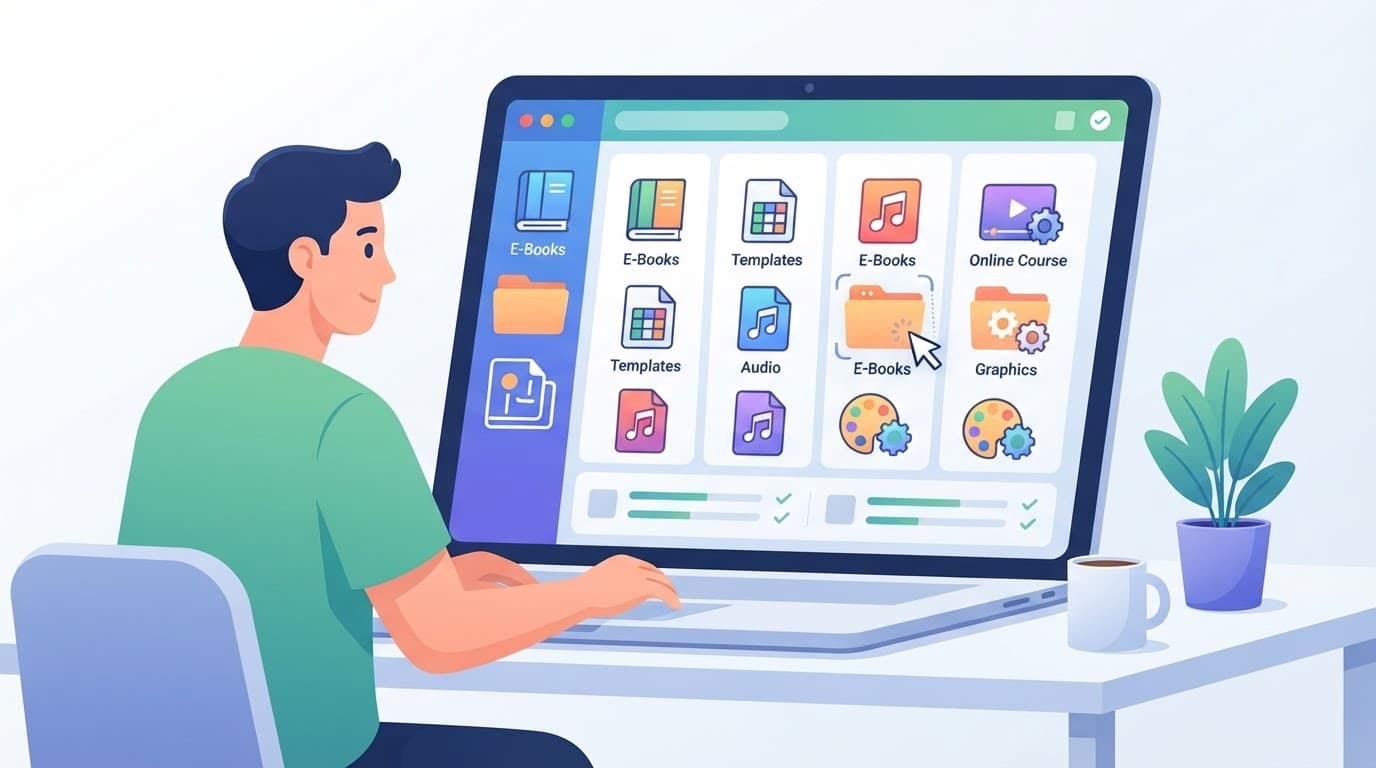
### Set Up Payment, Delivery, and Customer Support
A free storefront can display your product, process checkout, and send buyers an automatic download link. Gumroad and Payhip are simple choices for digital delivery. Instamojo may suit Indian buyers who prefer UPI, net banking, and digital wallets.
Write a clear product description, add useful preview images, publish a simple refund policy, and provide a support email. Keep a backup copy of every file in Google Drive or another storage location.
For early testing, you can share a Google Drive file after receiving payment through a suitable payment method. An automated platform creates a better customer experience and reduces manual delivery work. Check current fees and payout rules before choosing. Gumroad’s direct-sale fee is listed as 10% plus $0.50, while Payhip’s free plan charges 5% per sale.
Price the Product Without Guessing
Price according to the result, not the number of pages. A focused beginner template or guide could start at $5 to $19. Bundles, personalized feedback, and ongoing support justify higher prices because they save buyers more time.
Also consider platform fees, payment
Get Your First Digital Product Sales Without Paid Ads
Organic traffic works best when each piece of content leads people toward one useful next step. Choose channels where your audience already spends time, then connect every post to the specific result your product provides.
Create a Simple Free-Traffic Content Funnel
Map the journey before publishing:
- A helpful blog post, video, pin, or social post answers one common question.
- A free sample, email signup, or direct message gives interested readers an easy next step.
- Your product page explains the paid solution, shows a preview, and states who it’s for.
- A follow-up email or personal reply answers objections and reminds people about the offer.
Every post should have one clear call to action. Asking readers to buy, join an email list, follow three accounts, and download a sample creates confusion. Instead, connect the action to the content. A tutorial about content planning could invite readers to download one free calendar page, while a product page can present the complete template pack.

Use a simple content loop: teach one tip, show a common mistake, share a small result, answer a buyer question, then connect the lesson to your product’s outcome. A blogger can publish search-focused posts such as “how to plan a month of Pinterest content.” An affiliate marketer can recommend a product within an existing niche, but should clearly separate their own product from affiliate recommendations.
Repurpose one useful blog post or video into Pinterest pins, a YouTube tutorial, Instagram and TikTok demonstrations, carousel posts, WhatsApp messages, and email content. Pinterest can bring searchable evergreen traffic, while YouTube builds trust through a full explanation. Short videos help with reach, and WhatsApp works well for warm contacts who already know you. Email keeps the conversation going after social traffic disappears.
AI can help generate content angles or organize a workflow, but add your own examples and verify every claim. These AI-assisted online income ideas should support original work, not replace it.
Use Proof and Feedback to Improve Conversions
Early buyers can provide useful proof without pressure. Ask whether you may share a short testimonial, screenshot, rating, or result, and remove names or private details unless you have clear permission. Never invent results or promise that every customer will achieve the same outcome.
Ask buyers two direct questions: What almost stopped you from purchasing? and Which part helped you most? Their answers can reveal confusing instructions, weak previews, unclear pricing, or a missing example.
Use that feedback to improve the existing offer before creating another product. Update the title, product page, preview, instructions, or bonus material first. A better version of one useful product usually creates more sales than a shelf full of unfinished ideas.
A practical weekly rhythm includes one product improvement, three to five short posts, one helpful long-form piece, and direct conversations with potential buyers. These conversations often reveal the exact words people use when describing their problem.
Protect Your Time, Trust, and Profit as the Business Grows
A digital product can sell repeatedly, but it still needs tracking, support, updates, and honest marketing. Protect your time and reputation early by treating each sale as useful business data, not just income.

### Avoid the Mistakes That Keep Beginner Products From Selling
Creating before validating often leads to a polished product nobody requested. Ask your audience about repeated problems, share a sample, or collect waitlist signups before building the full version. A broad audience creates the same problem, so focus on one person and one outcome.
Trends can attract attention without creating buyers. Use current topics only when they match a real problem you understand. Also, keep your first product small. A focused template, checklist, or short guide gives you feedback faster than a large course.
Vague sales copy makes buyers work too hard. State who the product helps, what it includes, what result it supports, and what it does not promise. Avoid claims such as guaranteed income or instant passive income. Digital products still require customer support, updates, and ongoing marketing.
Relying on one social platform leaves your sales exposed to algorithm changes. Keep a simple email list, save customer contacts lawfully, and repurpose content across channels. Check every product page and download on a phone because many buyers browse and purchase from mobile devices.
Track revenue, platform fees, refunds, conversion rate, traffic source, email signups, and customer questions in a free Google Sheet. This shows whether low sales come from weak traffic, unclear copy, or a product problem.
Use original or properly licensed assets, publish privacy and terms pages, and explain your product’s limits. Copyright rules, business registration, and tax thresholds depend on your location, so confirm requirements with an official source or qualified professional.
Know When to Create a Bundle or Second Product
Build a second offer only after the first one gets consistent demand. Repeated customer questions often reveal the best next step. You might bundle related templates, add a short tutorial, or create a higher-priced version with personal support.
Digital products have low overhead and can produce repeat sales, but they also bring competition, refunds, piracy, and support work. Marketing never becomes completely automatic.
Reinvest early earnings only after organic demand is clear. A better design tool, custom domain, reliable email delivery, or small promotion test can help, but don’t buy upgrades to compensate for an unproven offer.
Frequently Asked Questions
Starting with free tools lowers the barrier, but your results still depend on the product, audience, and effort behind it. These answers cover practical questions beginners often ask before publishing their first offer.

### Can I really start a digital product business with no money?
Yes, you can use Google Docs, Canva, Google Sheets, and free social platforms without paying upfront. Gumroad, Payhip, and Instamojo also offer free-to-start selling options, although they may deduct fees from each sale. Payment processing, taxes, refunds, and the value of your time still affect your profit. Check each platform’s current pricing and payout rules before launching.
What is the easiest digital product to make as a beginner?
A focused checklist, template, planner, spreadsheet, or short guide is usually the easiest place to begin. Choose a problem you understand, such as planning blog content, organizing affiliate links, or creating Pinterest pins. Small products are faster to finish, easier to test, and simpler to improve after customer feedback. You can later expand a successful idea into a bundle or course.
Where can I sell digital products for free?
Gumroad is easy to set up, delivers files automatically, and works well for an international audience, but direct sales carry a published fee of 10% plus $0.50, while Discover sales can cost 30%. Payhip offers a Free Forever plan with digital delivery and unlimited products, charging 5% per sale, with payment options depending on your connected provider. Instamojo is useful for many Indian sellers because it supports local payment methods and digital delivery, but fees and plan terms can change. Always confirm the current charges, currency conversion costs, and payout options before choosing.
How do I sell a digital product without a website?
Create a storefront link and place it in your Instagram, TikTok, Pinterest, or YouTube profile. You can also add it to video descriptions, email messages, WhatsApp conversations, and relevant social posts. A website becomes useful later, after you know which product and traffic source attract buyers.
How long does it take to make the first sale?
There is no reliable deadline. Your first sale may take days or months, depending on your audience, offer, price, traffic, and the trust you have built. Test consistently for several weeks, publish useful content, and improve the product page based on questions and clicks instead of expecting guaranteed income.
Can AI help me create and market digital products?
AI can help with research questions, outlines, examples, captions, and repurposing one idea into several posts. However, you still need to check facts, add original insight, and confirm that the product solves a real customer problem. Generic AI output is easy to ignore, so include your experience and promise one clear result.
Conclusion
Starting a digital product business with zero investment begins with one audience and one problem, not a perfect store or a large product catalog. Over the next seven days, validate your idea, create a small useful product with free tools, publish it on a suitable platform, and share helpful content every day.
Your first goal is to learn from real buyers, improve the offer, and reinvest carefully when demand becomes clear. Useful progress matters more than building a perfect passive-income business on day one. Choose your audience and problem today, then take the first small step.
About The Author
